
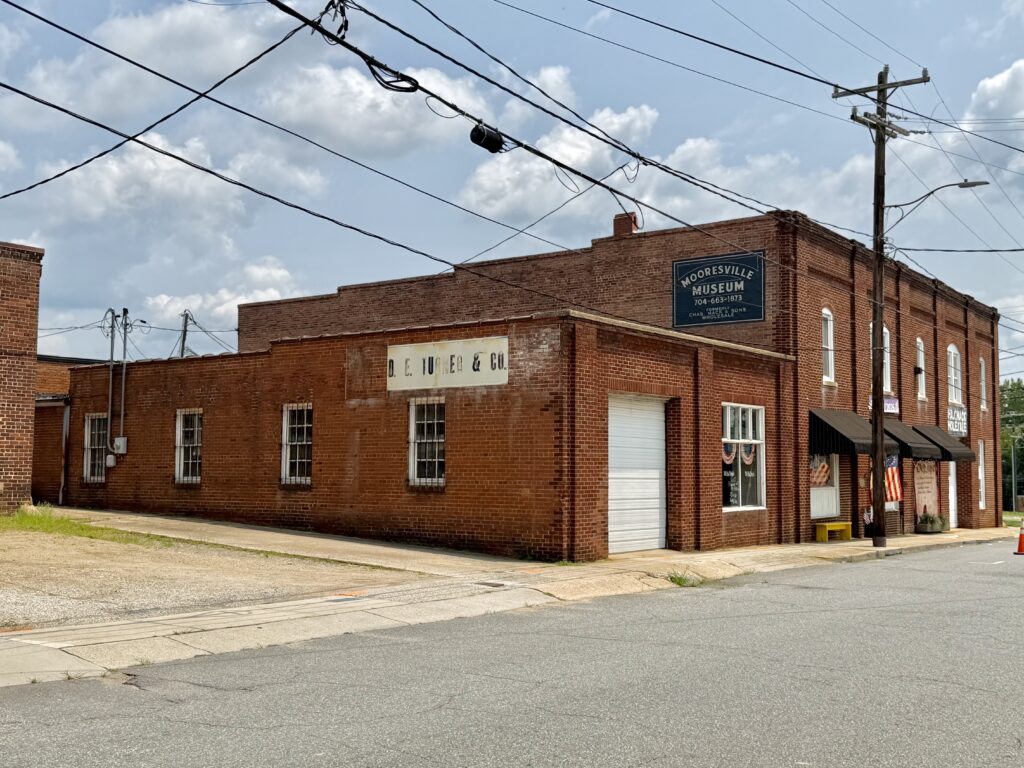
For many people, history is something they read about in books. At The Mooresville Museum, history is something you can see, experience, and connect with on a personal level.
For David Whitlow, preserving Mooresville’s history has been a lifelong passion. Born and raised in Mooresville with family roots that stretch back six generations, David was part of the grassroots movement that helped establish The Mooresville Museum in 2002. That effort was spearheaded by the late Mac Herring and supported by many dedicated community members who shared a vision of preserving the town’s rich heritage.
David says his love of history developed through several defining moments. A childhood train trip to Washington, D.C. in 1975, the excitement surrounding America’s Bicentennial in 1976, and a conversation with his grandmother when he was just 14 years old all helped ignite his curiosity. Sitting on the porch, he asked about her grandparents, and as she shared stories of family and life in earlier times, a passion for history was born.
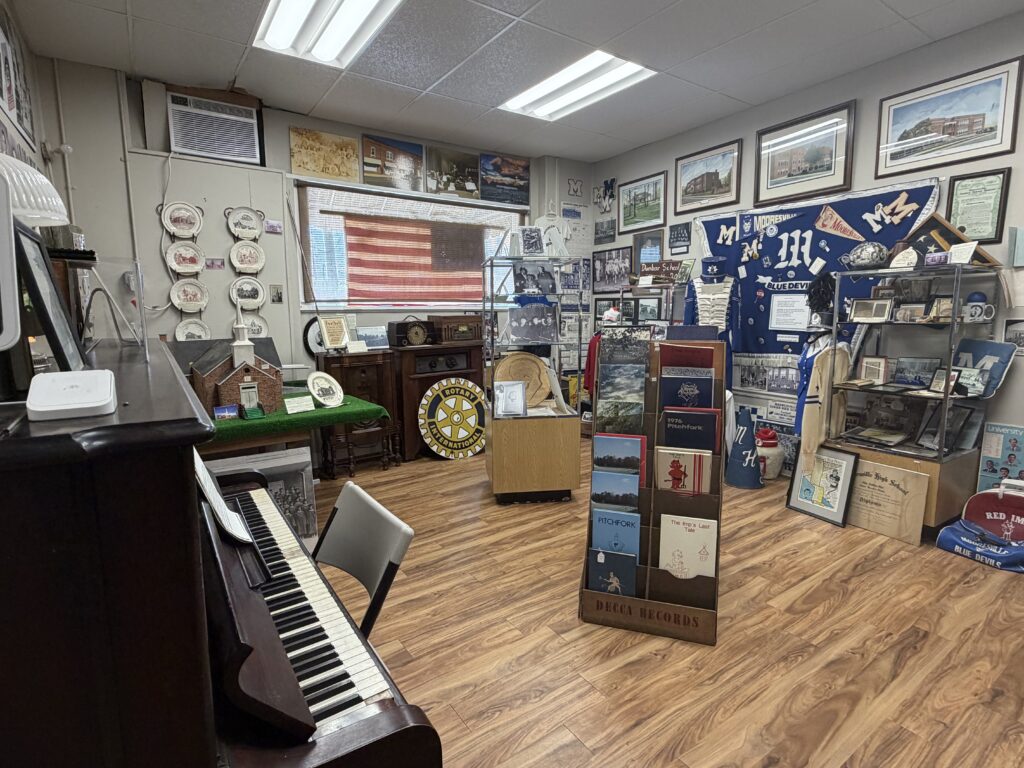
When asked how he would describe The Mooresville Museum to someone who has never visited, David’s answer is simple.
“A fun place to see and hear about Mooresville’s history.”
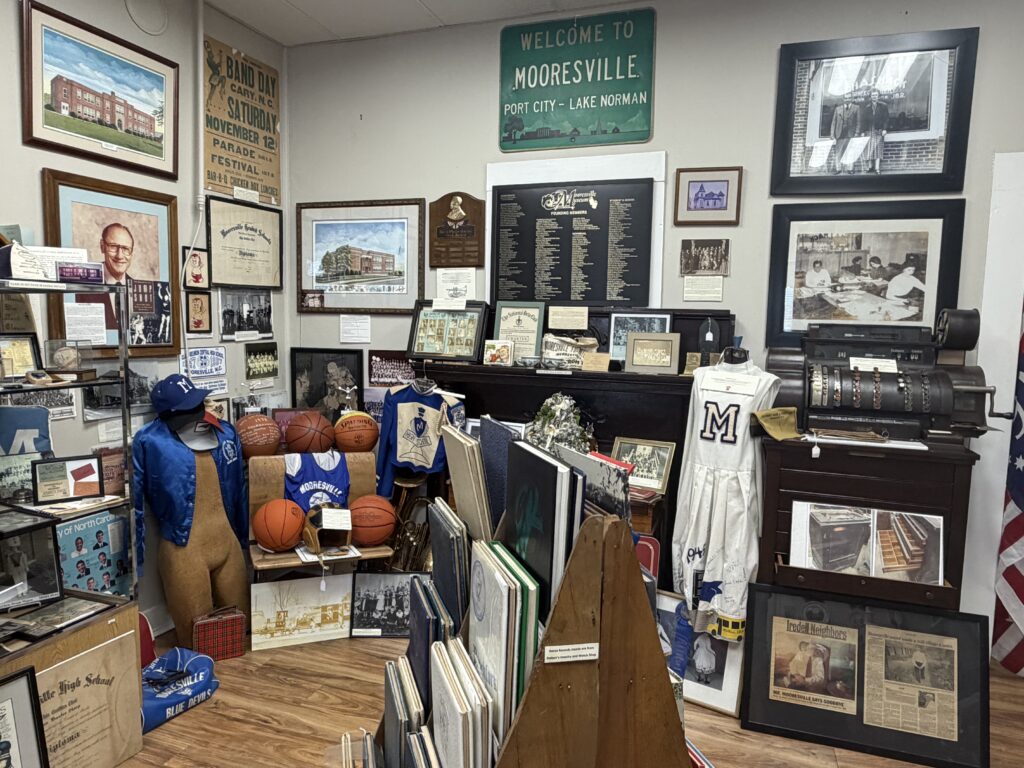
He also describes the museum as a time capsule.
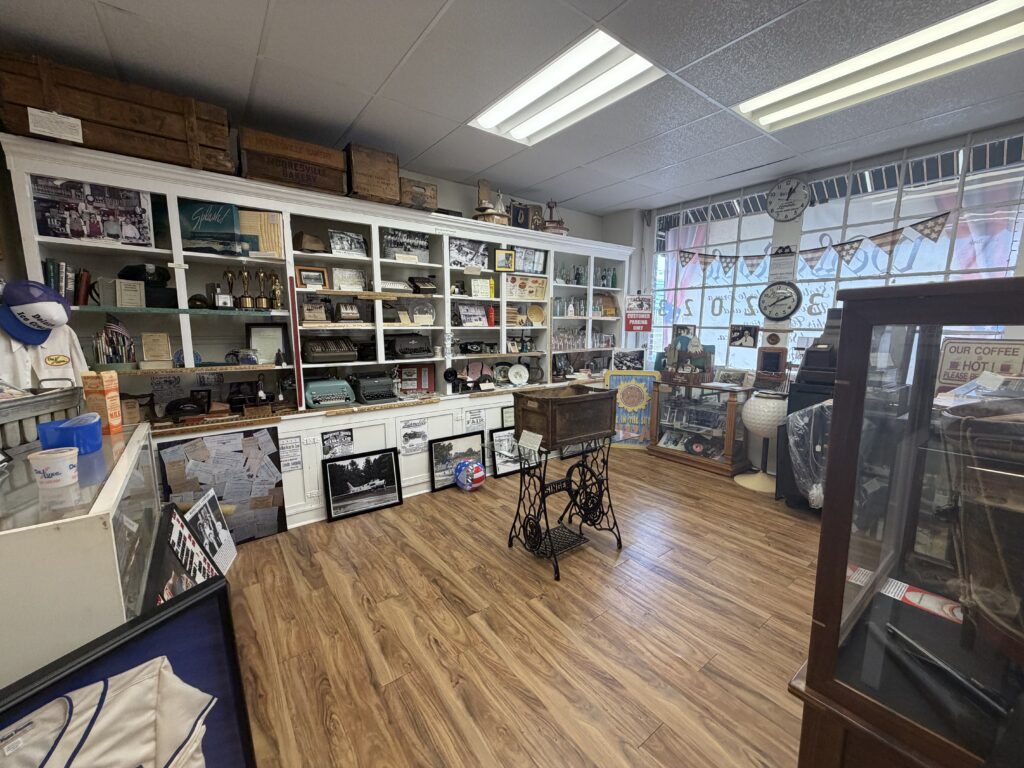
“When visitors come in, it is fun to hear them reminisce about how things used to be.”
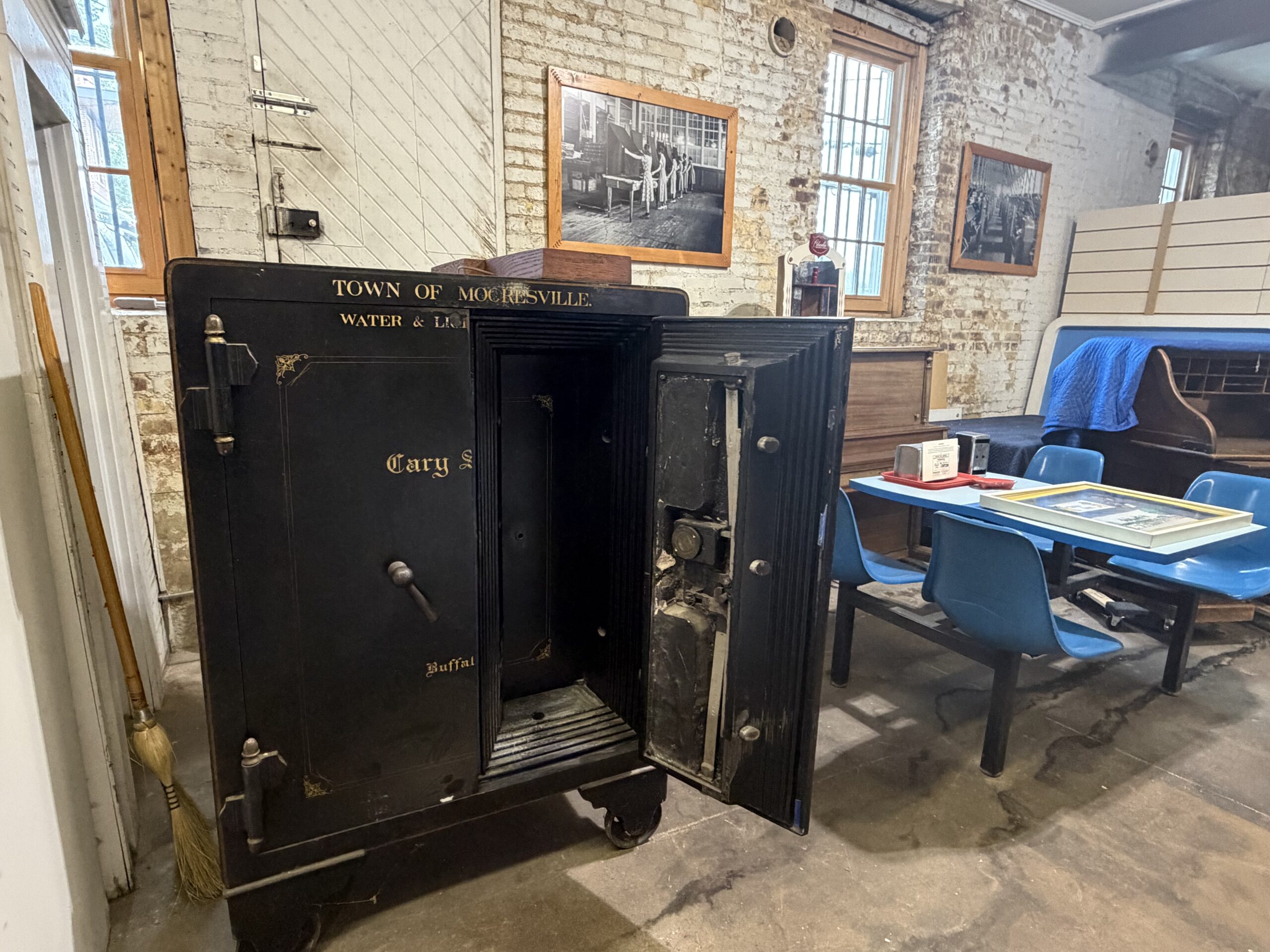
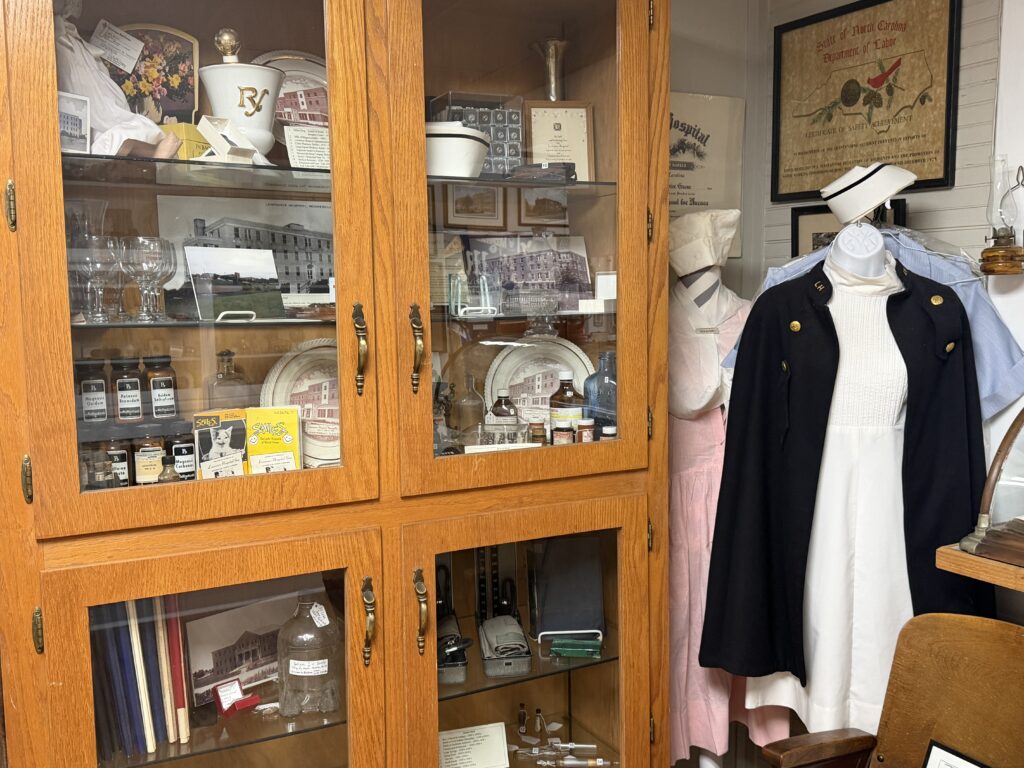
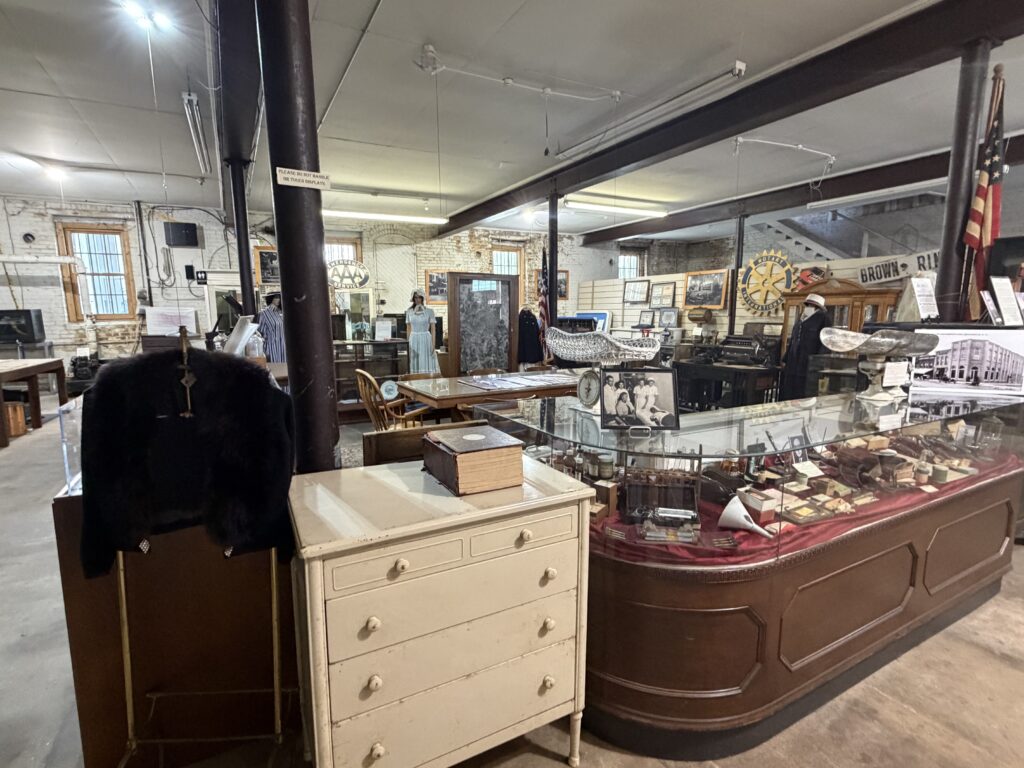
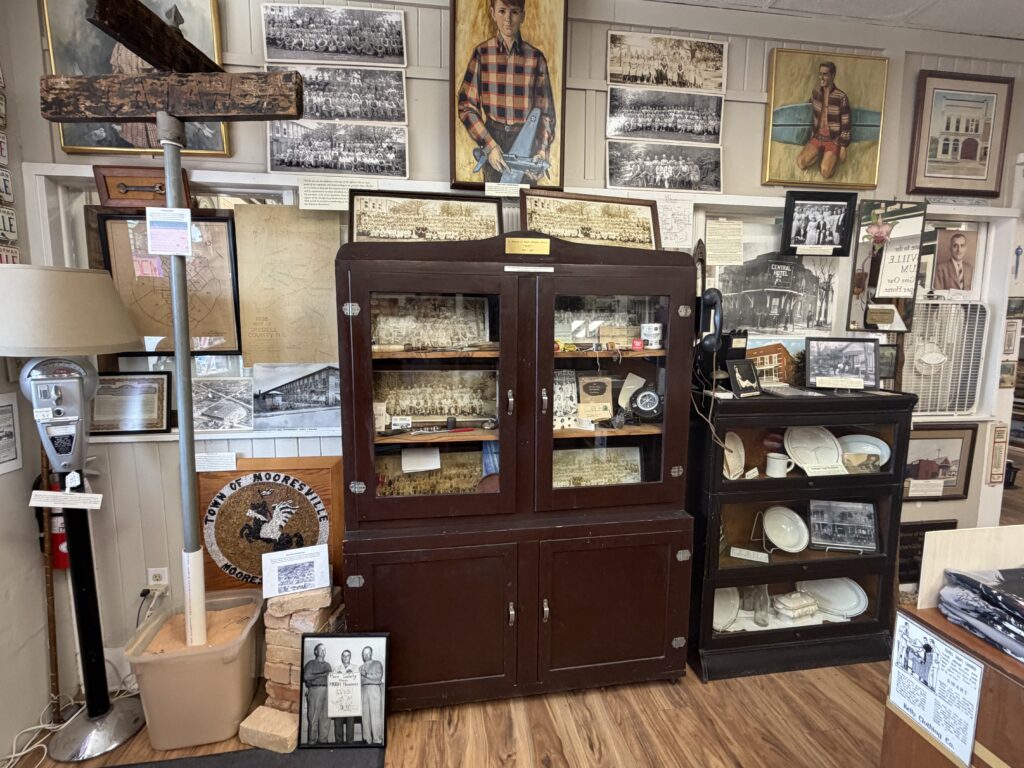
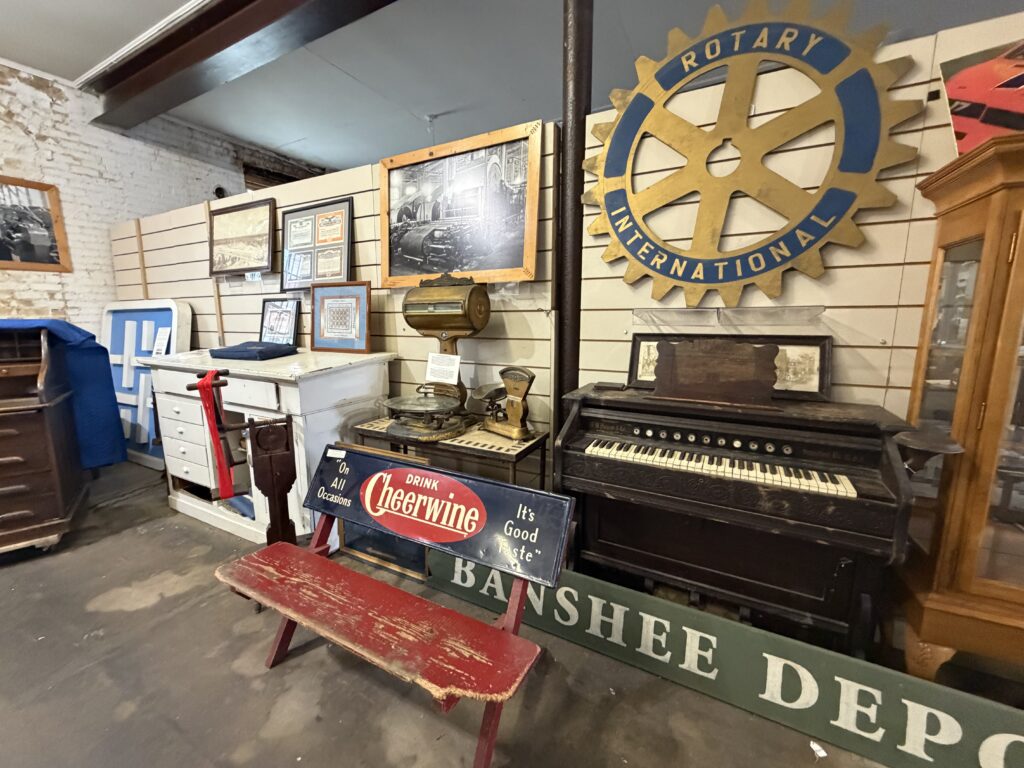
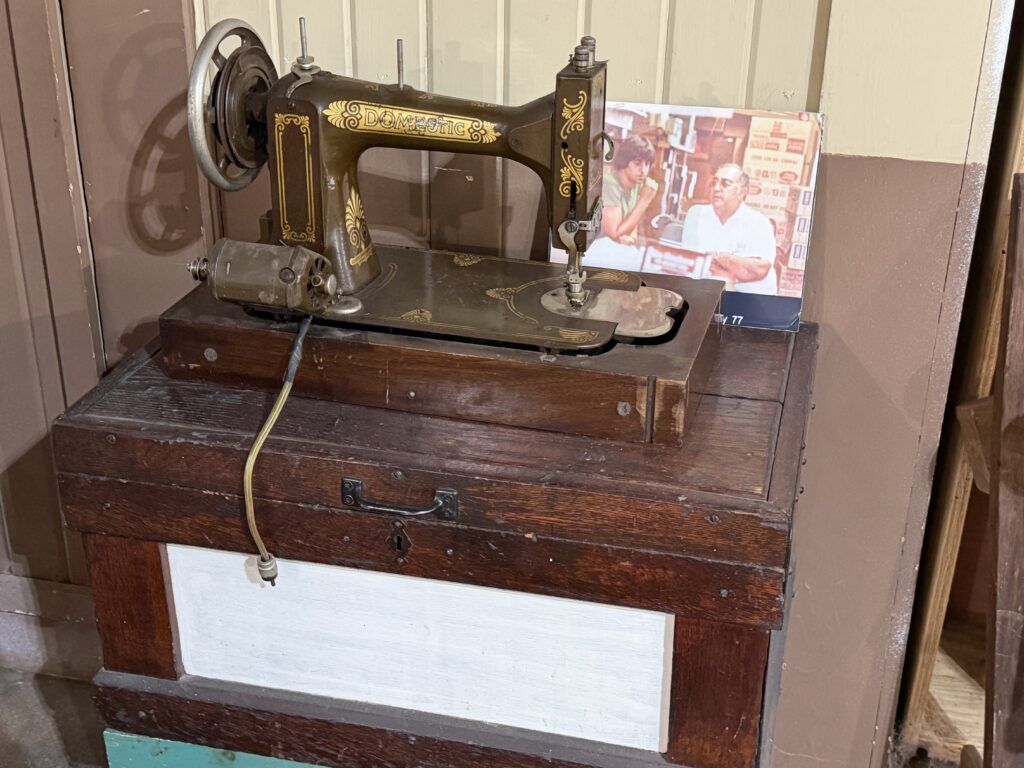
The museum is filled with remarkable artifacts that tell the story of Mooresville and the people who helped shape it. Among David’s favorites are the Harris/Sherrill safe, the 1762 Granville Grant, an 1837 letter written by a soldier to his mother during the Texas Revolution, and John Franklin Moore’s cowbells.
Another treasured artifact is the Stephen Frontis Family Bible from 1835, which connects to several important local stories and historical events.
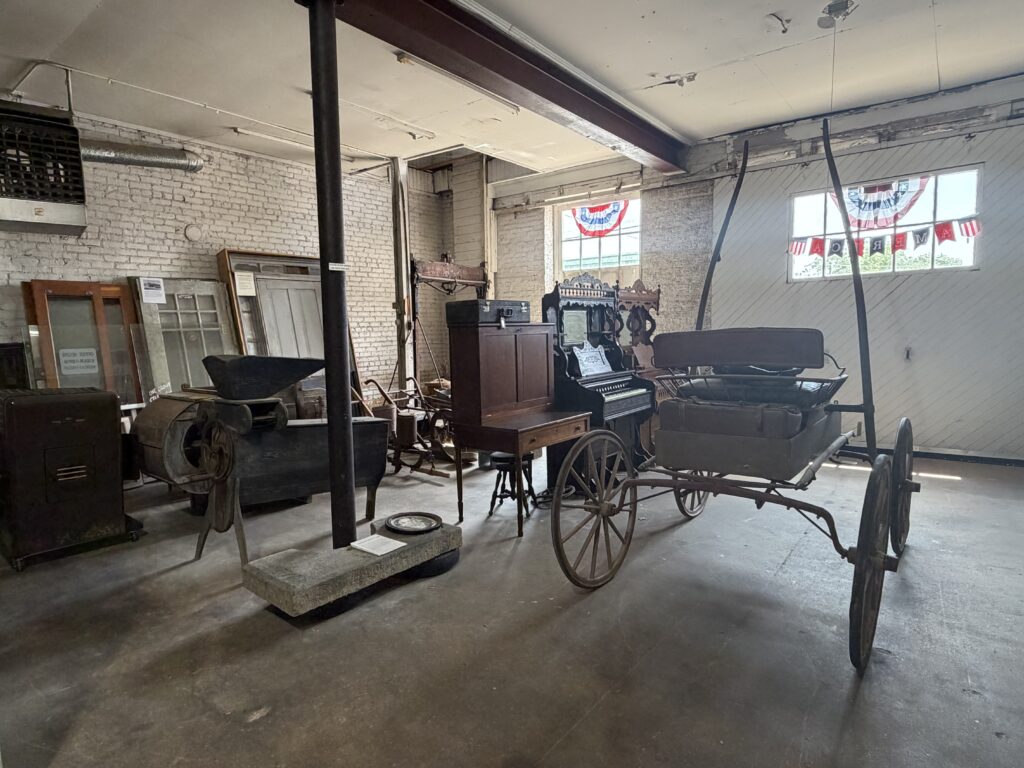
Visitors are often drawn to the Studebaker wagon, generously donated by the Harding Rogers family of Mooresville. It is one of many exhibits that capture the imagination and spark conversations about the town’s past.
History at The Mooresville Museum extends well beyond the exhibits.
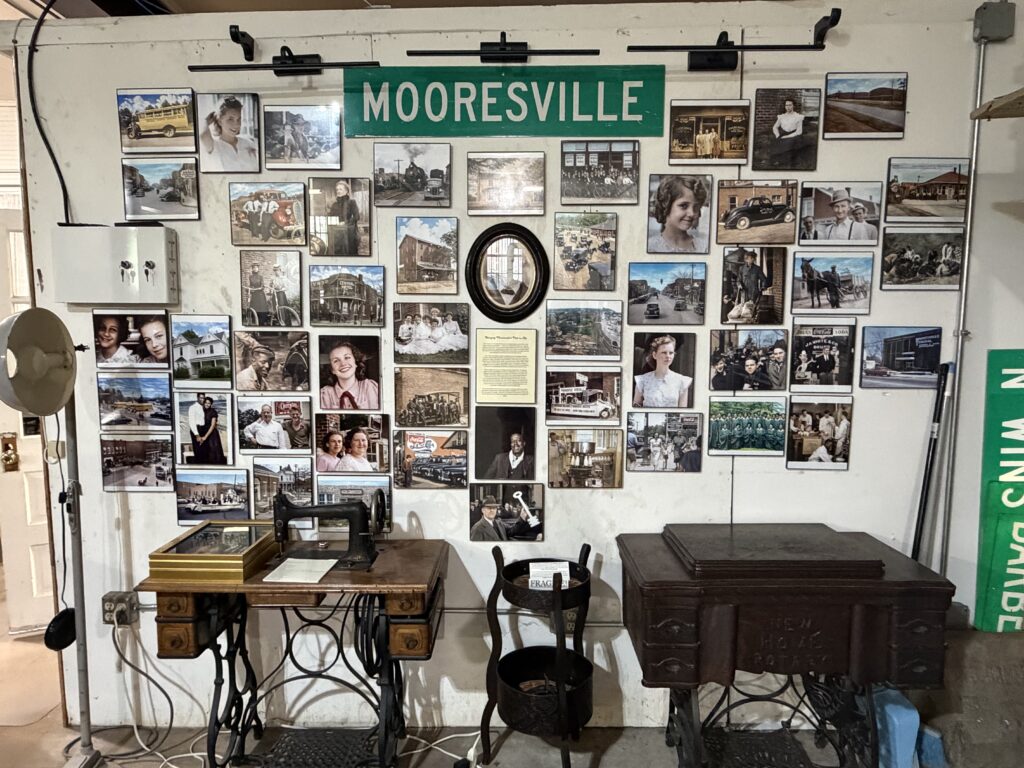
The museum recently established The Mooresville Museum Historical Society, which hosts monthly programs featuring guest speakers on a variety of historical topics. Museum representatives also participate in many community festivals and concerts throughout the year while welcoming public school and homeschool groups during their downtown field trips.
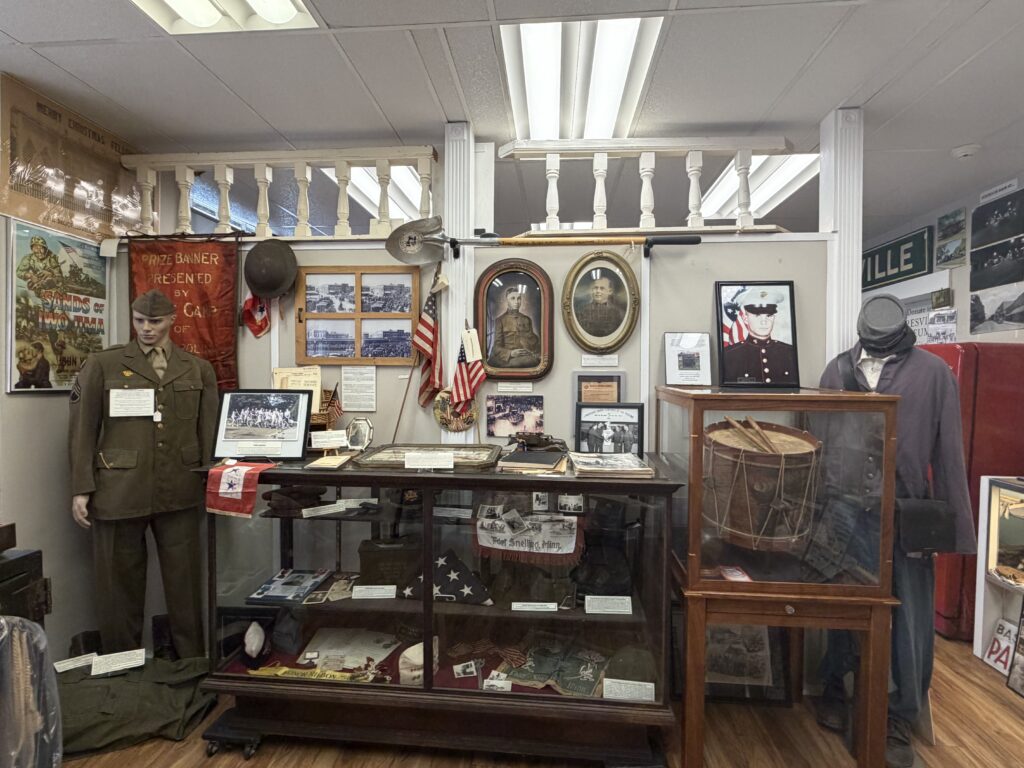
One of David’s favorite times of the year is Christmas.
During the holiday season, the museum is beautifully decorated, and visitors are welcomed on Friday evenings with hot cider and treats, creating a warm and festive atmosphere for families to enjoy.
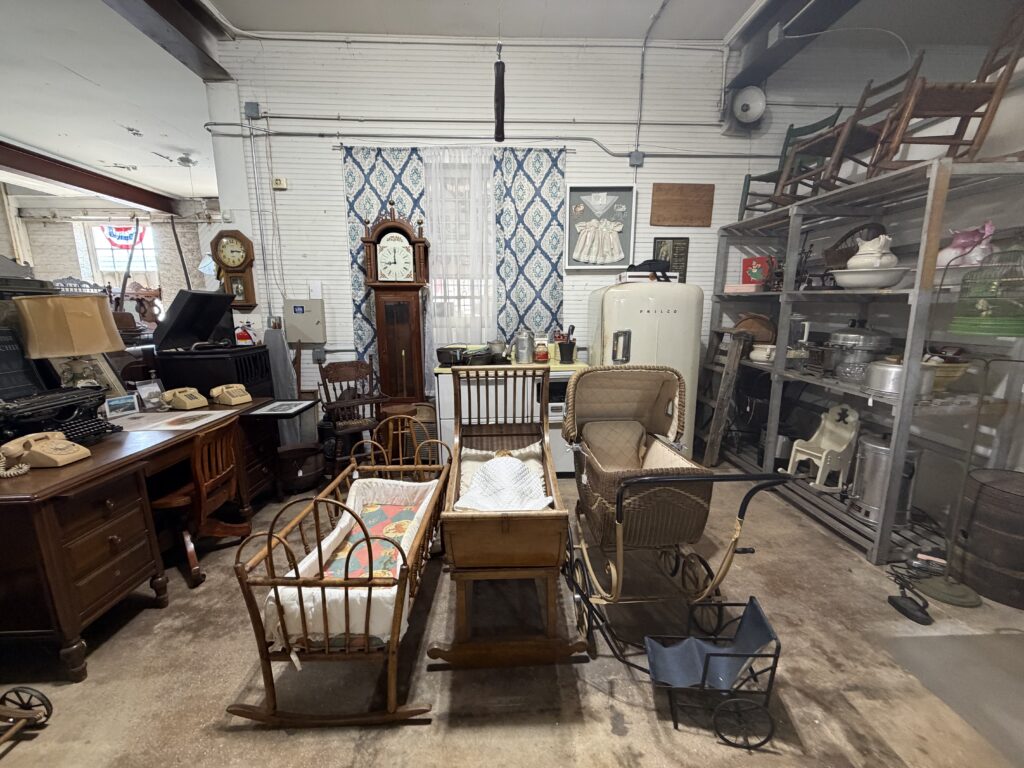
The museum continues to receive donations from the community on an almost daily basis, allowing its collection to grow while preserving pieces of Mooresville’s history for future generations.
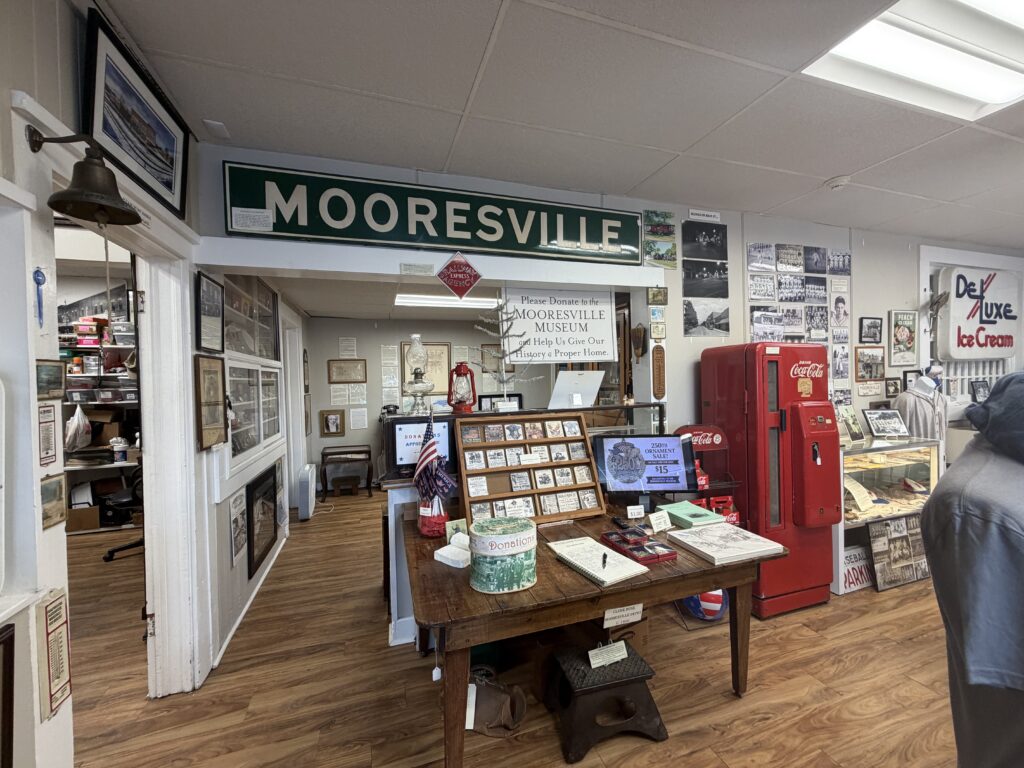
Behind the scenes is a dedicated team of volunteers who help make it all possible.
The current Board of Directors includes President Susan Autry, Vice President Sarah Truvia, Treasurer and Collections Manager David Whitlow, Secretary Stephanie Atkins, along with Mike Cook, Alan Bradford, Angela Stutts, and Lynda Robinson. Commissioner Gary West serves as the museum’s liaison with the Town of Mooresville.
David says one of the best ways to become involved is simply to start spending time at the museum.
“We always welcome support through donations and financial contributions.”
For those who think museums are simply buildings filled with old objects, David offers a different perspective.
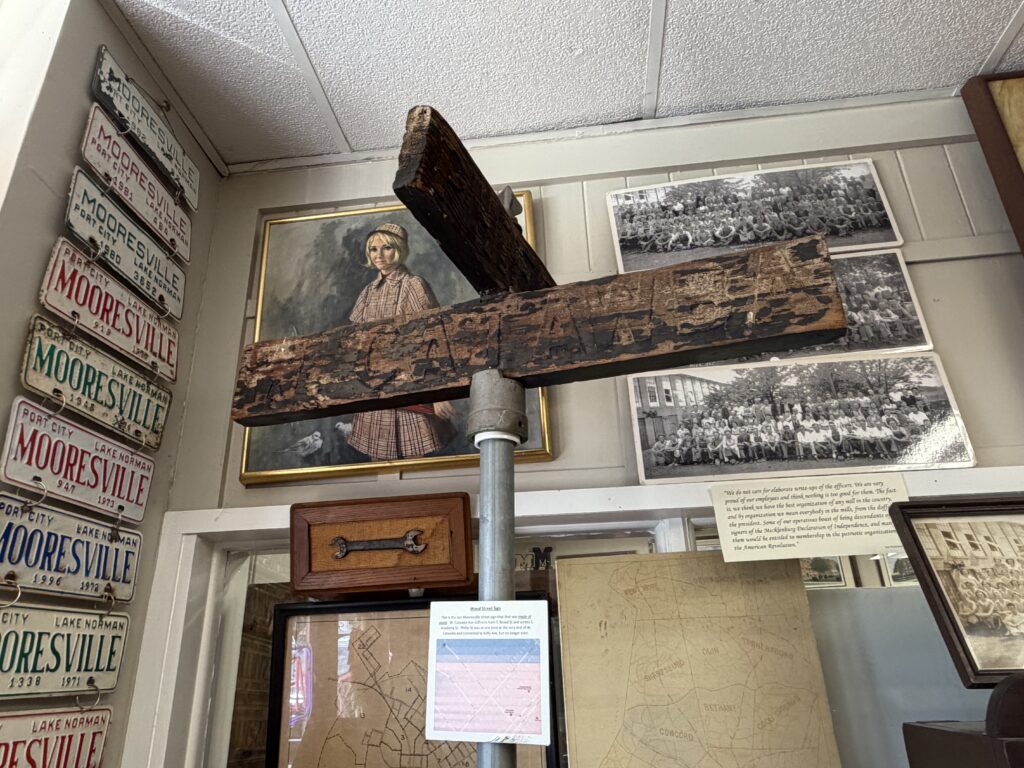
“When artifacts or exhibits are shown within the world they once belonged to, museums come alive with energy and meaning. That is what we try to do.”
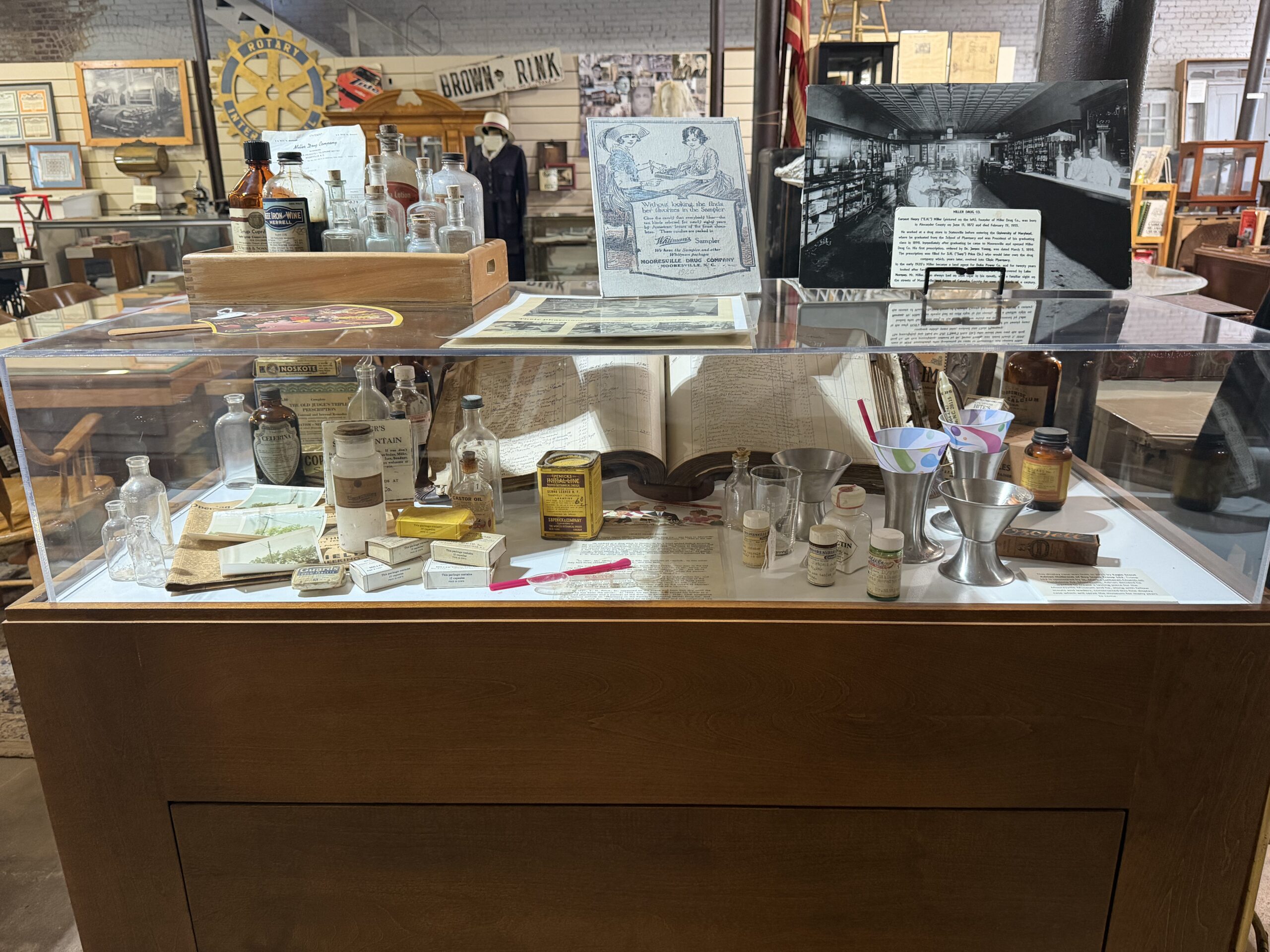
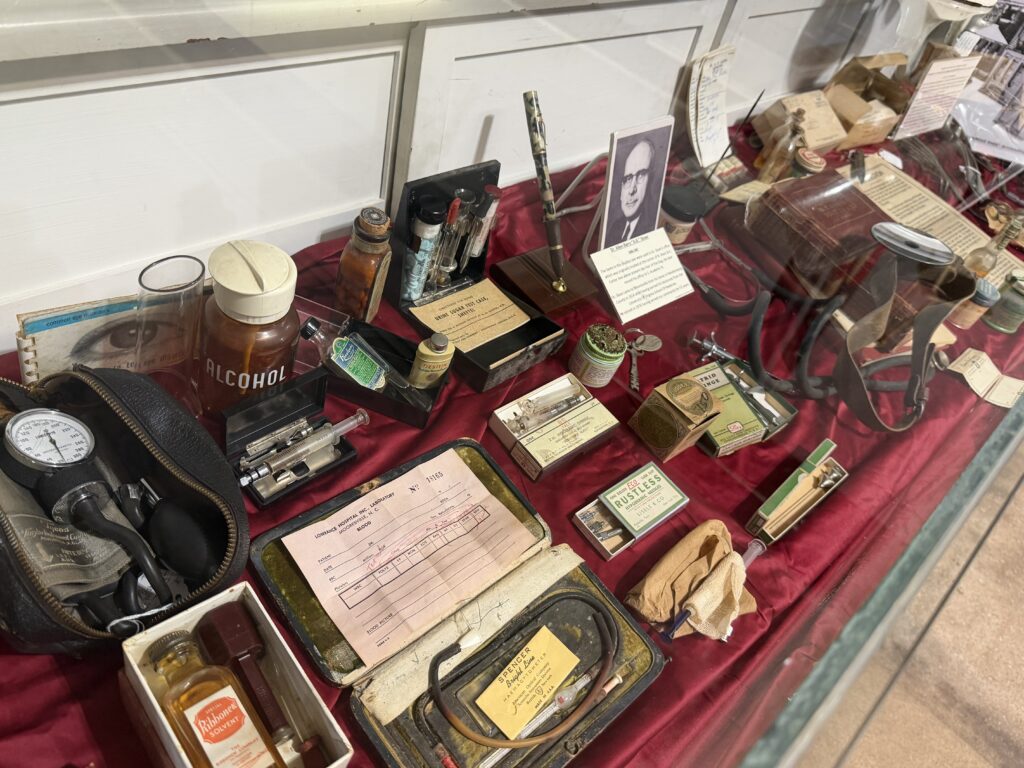
The museum recently completed a busy season celebrating America’s 250th anniversary and continues to expand its educational displays. Current projects include exhibits at the Mooresville Depot and an upcoming exhibit at the library highlighting the history of the local hospital.
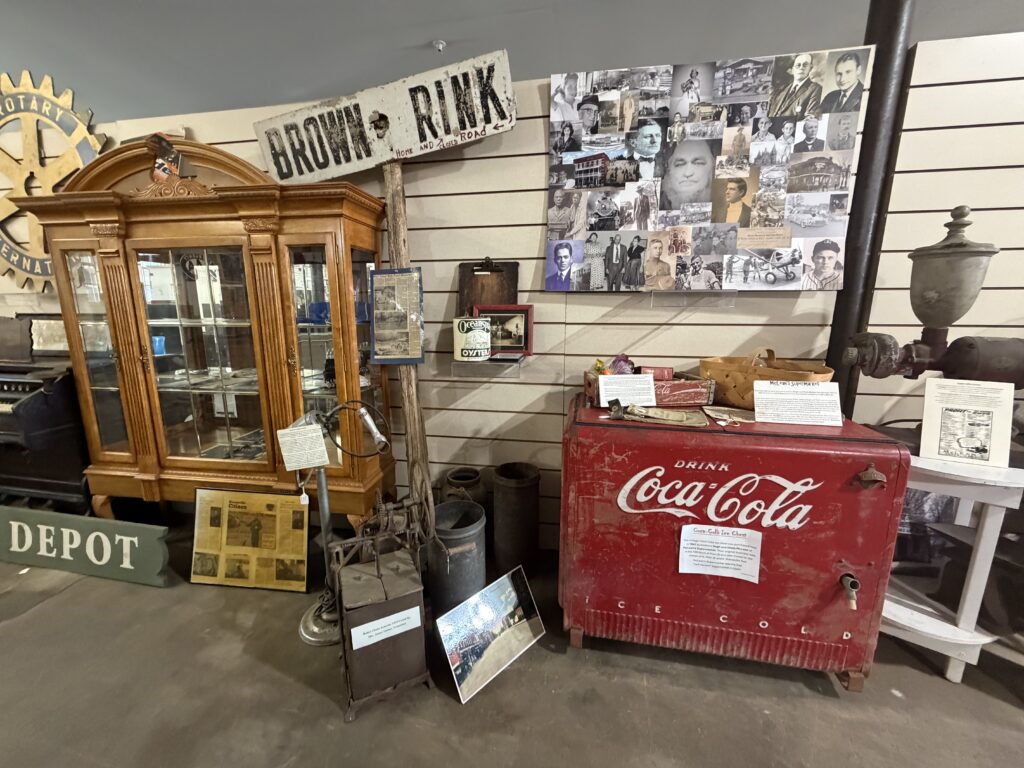
Looking toward the future, the museum anticipates beginning much needed improvements, including restroom renovations and upgrades to its electrical infrastructure and HVAC systems.
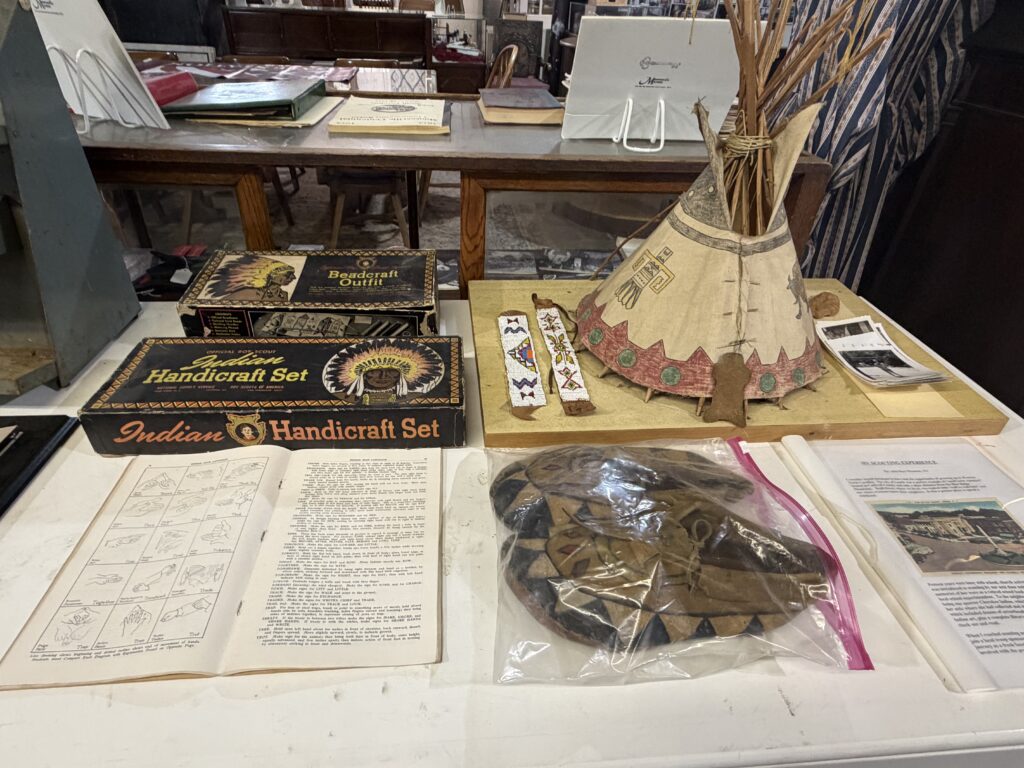
When asked which moments in Mooresville’s history he would most like to experience firsthand, David had several.
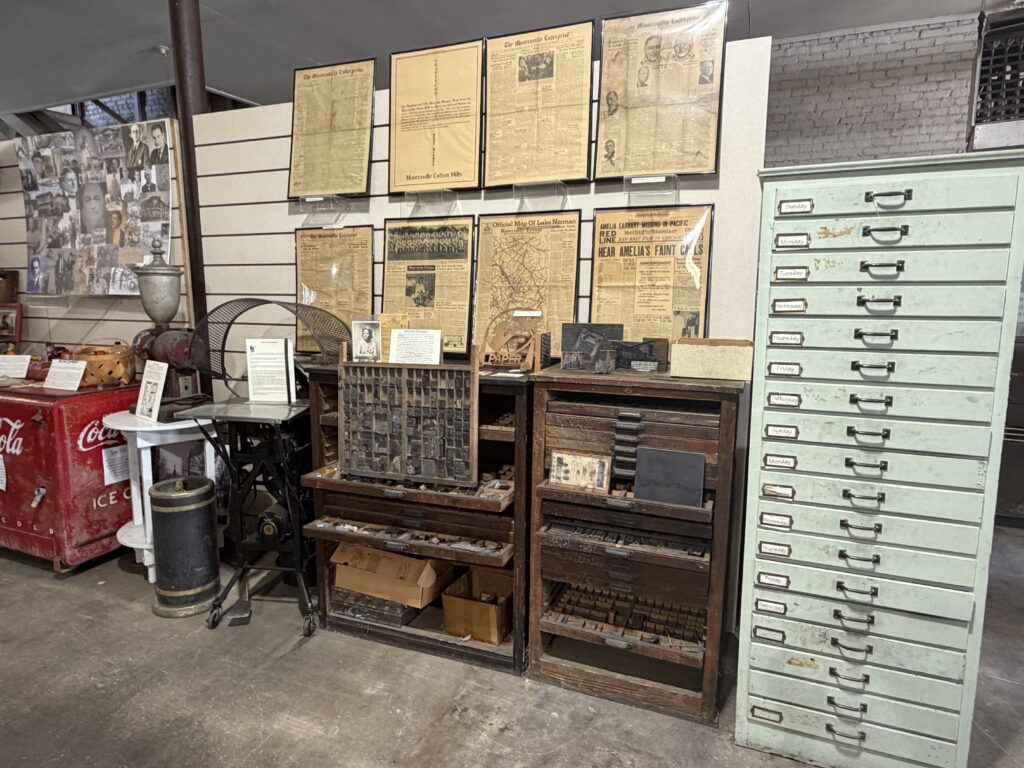
He would love to witness the emotional return of local World War I soldiers in March 1919, when nearly 10,000 people gathered to welcome home 75 hometown servicemen. Another unforgettable moment would be Mexican pilot Captain Emilio Carranza’s emergency landing in Mooresville on June 12, 1928, followed by his exciting departure that captured the attention of the entire community.
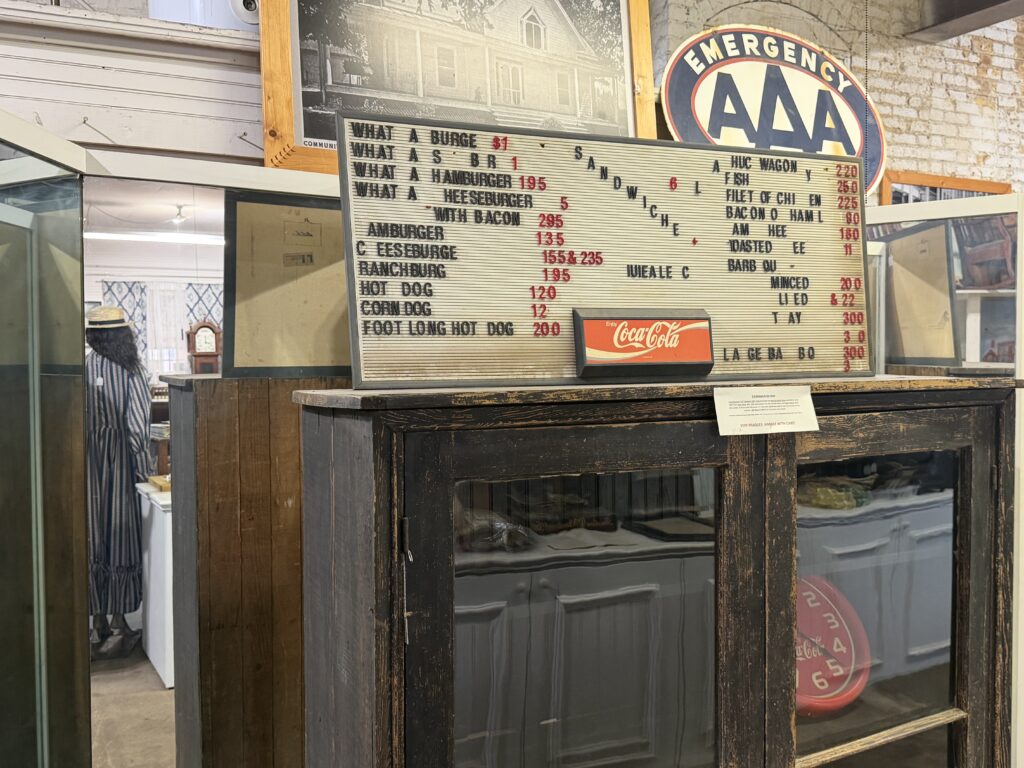
Perhaps David’s biggest hope is that more local residents discover what visitors from around the world already know.
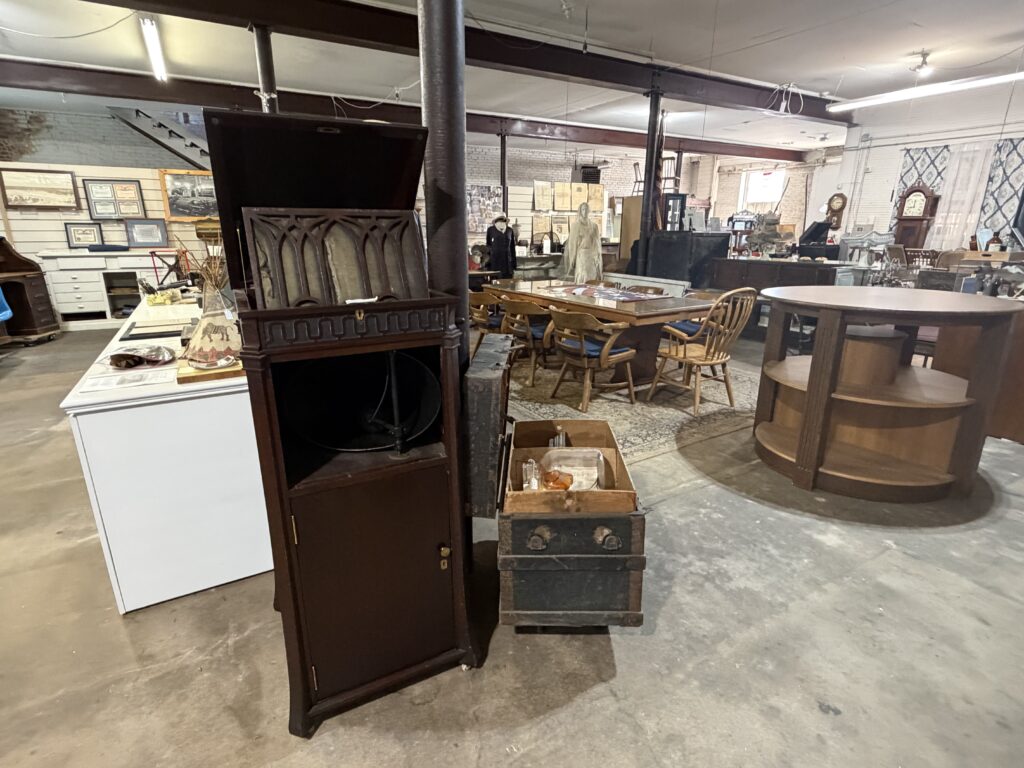
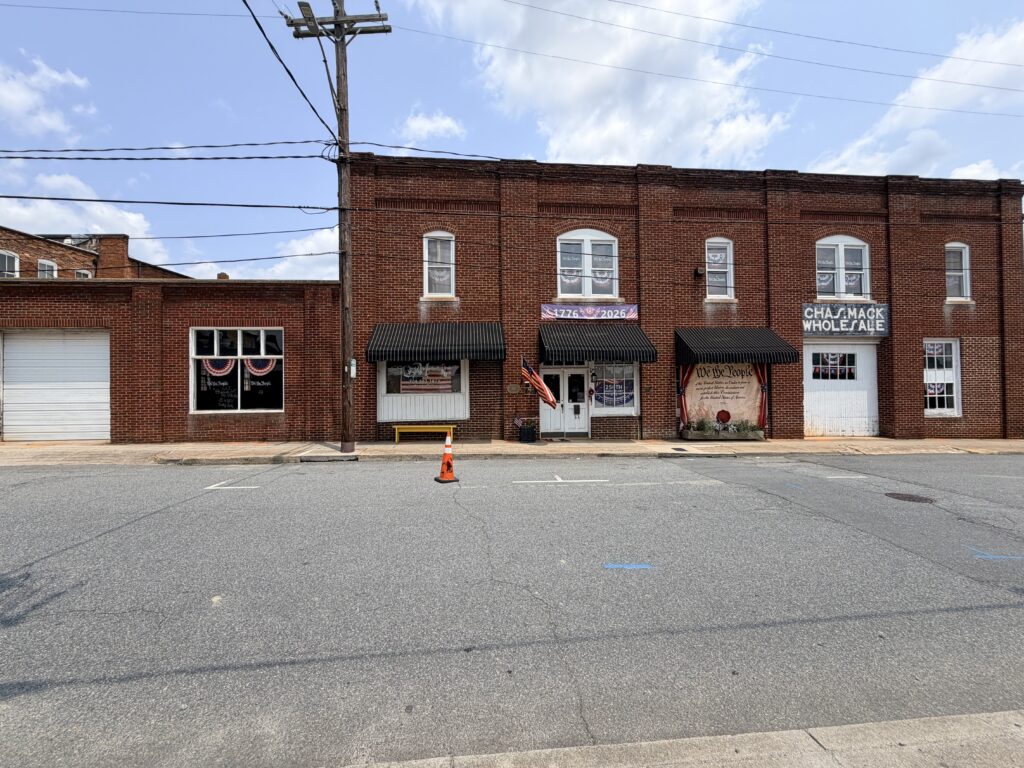
“We have folks from Moscow, New Zealand, Australia, Germany, South Africa, Montana, Hawaii, and Cuba visit the museum. It often seems more difficult to get folks from Academy Street to come in. We still hear, ‘We didn’t know this was here.’ Folks driving on Center Avenue are often trying to beat the light at Church Street or Main Street and never see us.”
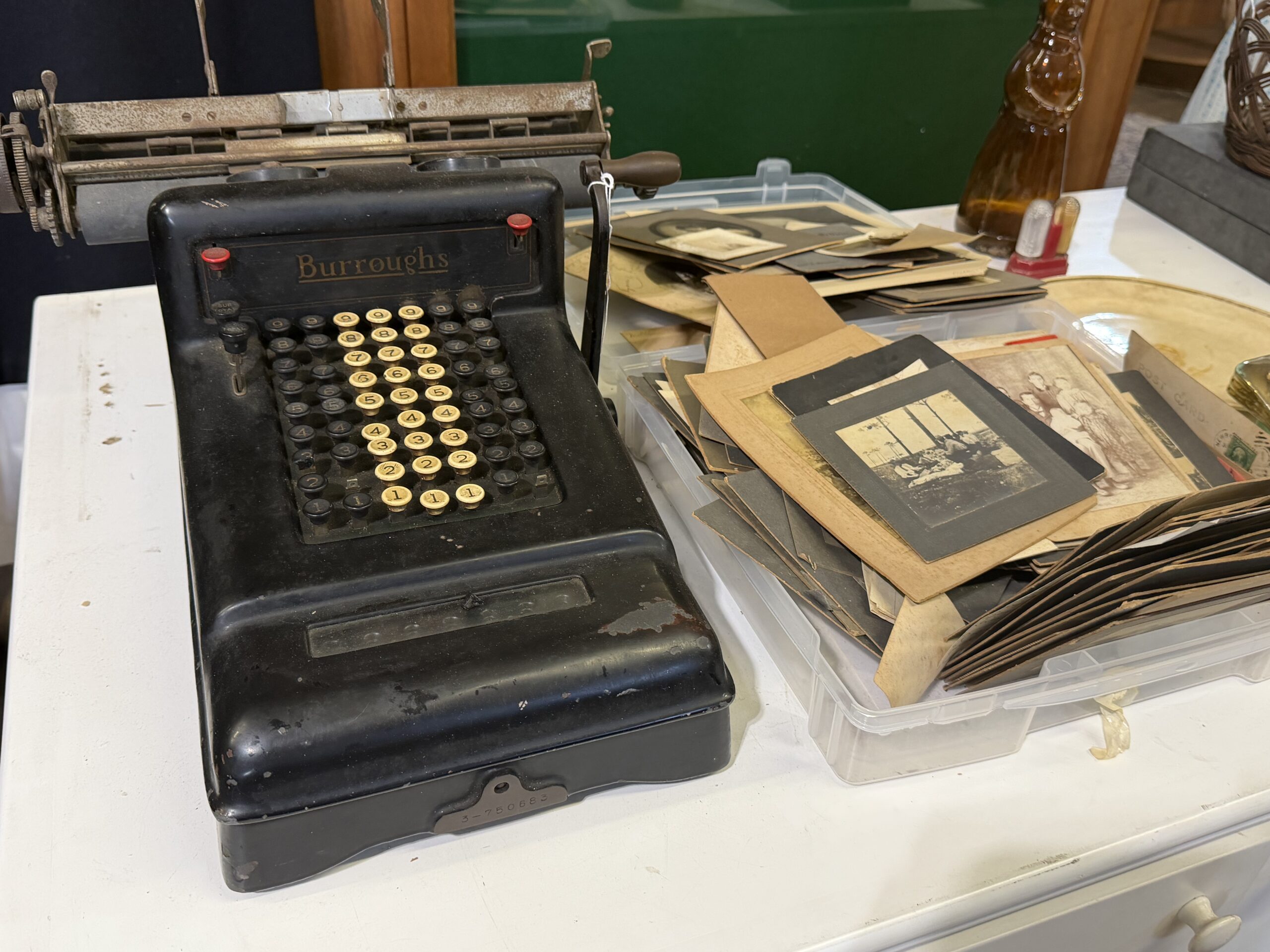
His message is clear. Some of the most fascinating stories in Mooresville are waiting just around the corner.
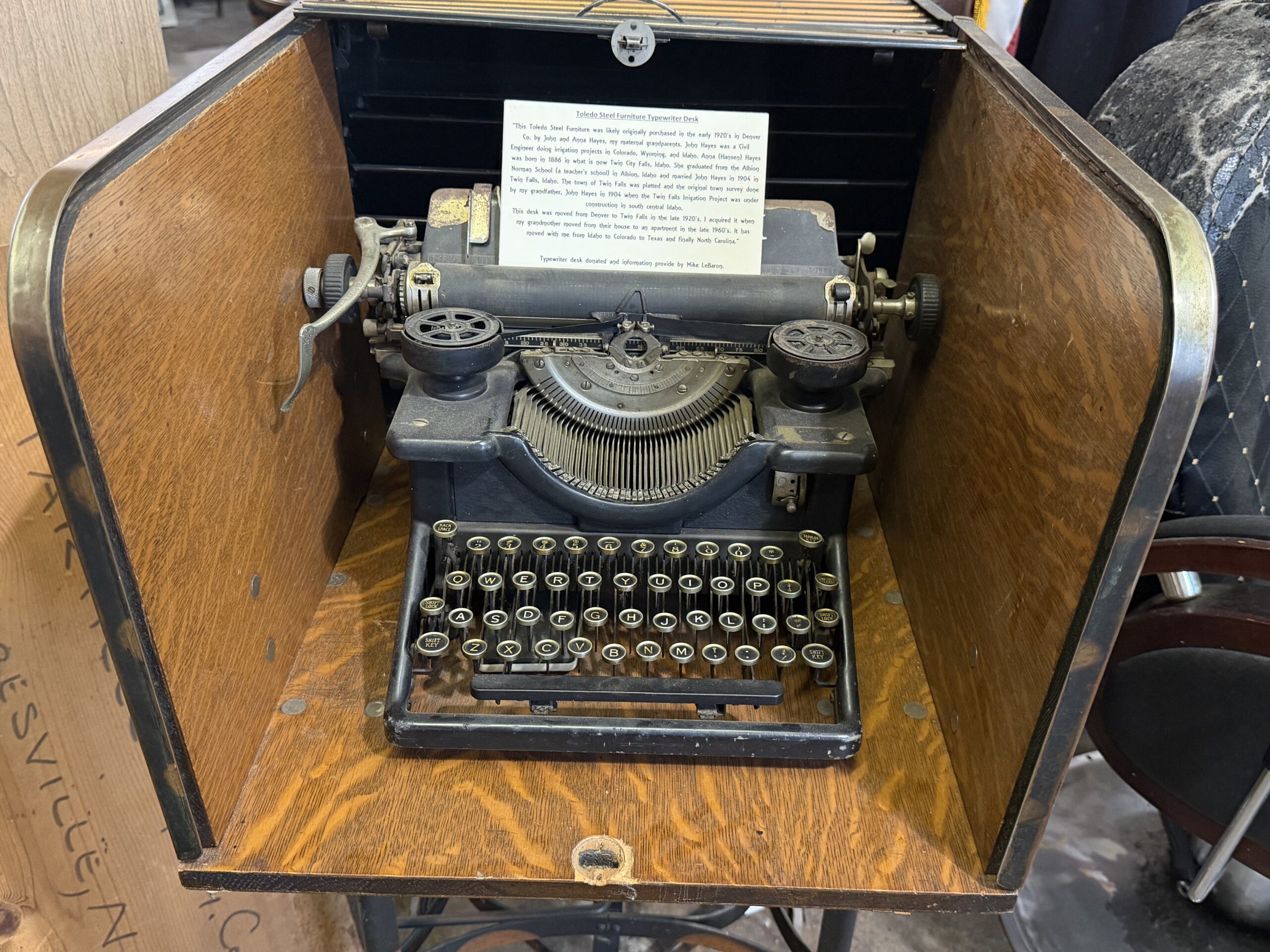
Whether you have lived here your entire life or are visiting for the first time, The Mooresville Museum offers a chance to step back in time, discover the people who shaped our community, and gain a deeper appreciation for the town we call home.
As David puts it best:
“The Mooresville Museum is the great jumping off spot into our history.”