


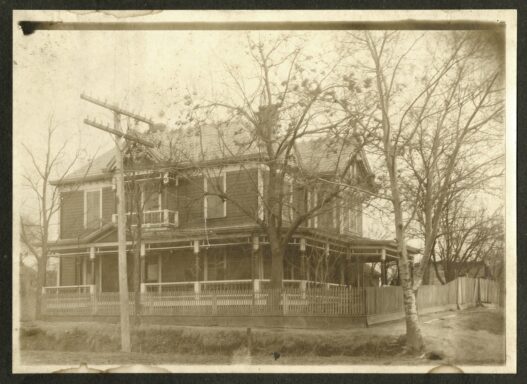
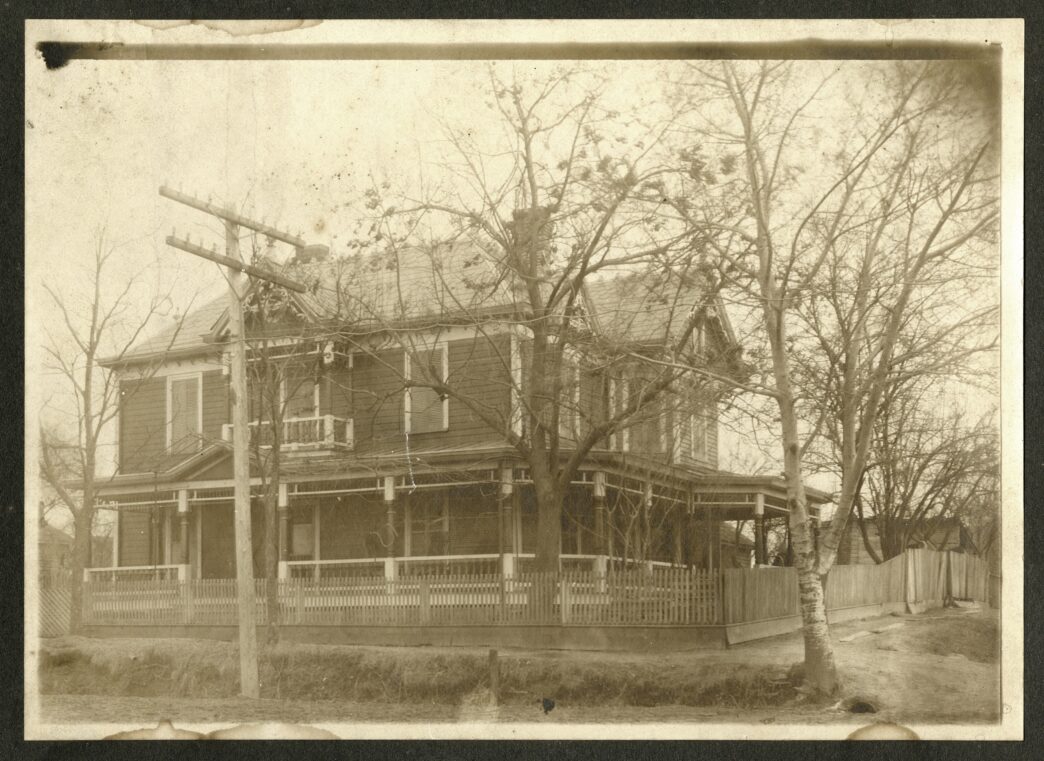
For generations, the Melchor family was part of Mooresville’s history. Through the memories of Bernice Melchor, the story of their historic North Main Street home comes to life.
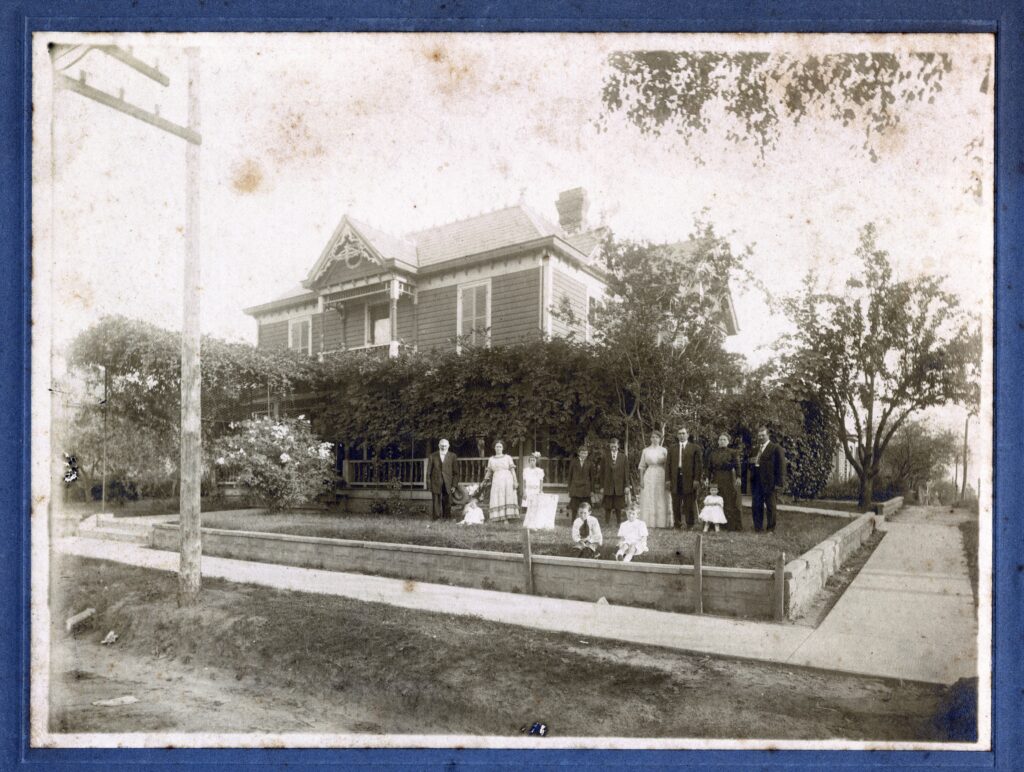
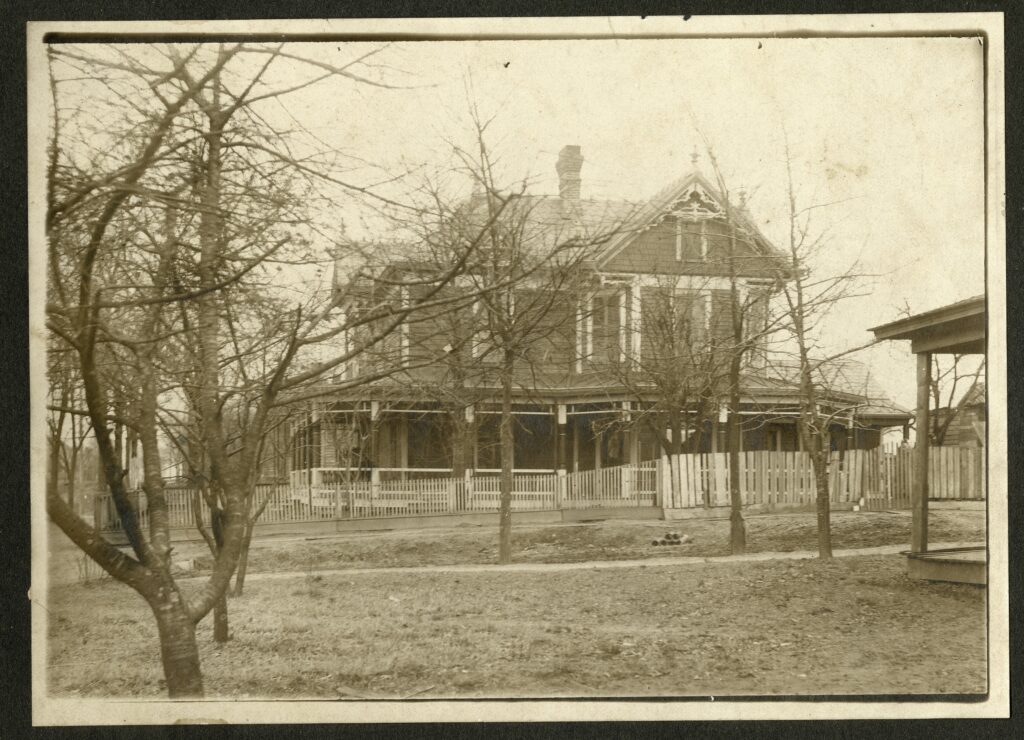
At the corner of North Main and Institute Streets in Mooresville stands a house with a history stretching back through generations of one of the town’s earliest families. Its walls have witnessed a changing community, from the days of horse-drawn wagons and bustling flour mills to the arrival of automobiles, growing businesses, and the transformation of downtown. But behind its historic exterior is something even more interesting than its architecture: the lives of the people who called it home.
Among them was Bernice Melchor, a spirited Canadian woman whose chance meeting with a young man from North Carolina brought her to Mooresville in 1945. What followed was a lifetime filled with family, entrepreneurship, travel, creativity, and countless stories about a town she grew to love. Bernice would spend decades in the historic Melchor House, becoming part of a family whose roots were deeply intertwined with Mooresville’s beginnings.
Fortunately, her memories were preserved through two oral history interviews conducted six years apart. In January 2006, Ann Brown interviewed Bernice in her home, assisted by Al Culp and Linda Ray. In January 2012, Andy Poore recorded another conversation with her at the home of her daughter. Together, those interviews offer an extraordinary glimpse into a life well lived and a Mooresville that exists today largely in photographs, historical records, and the recollections of longtime residents.
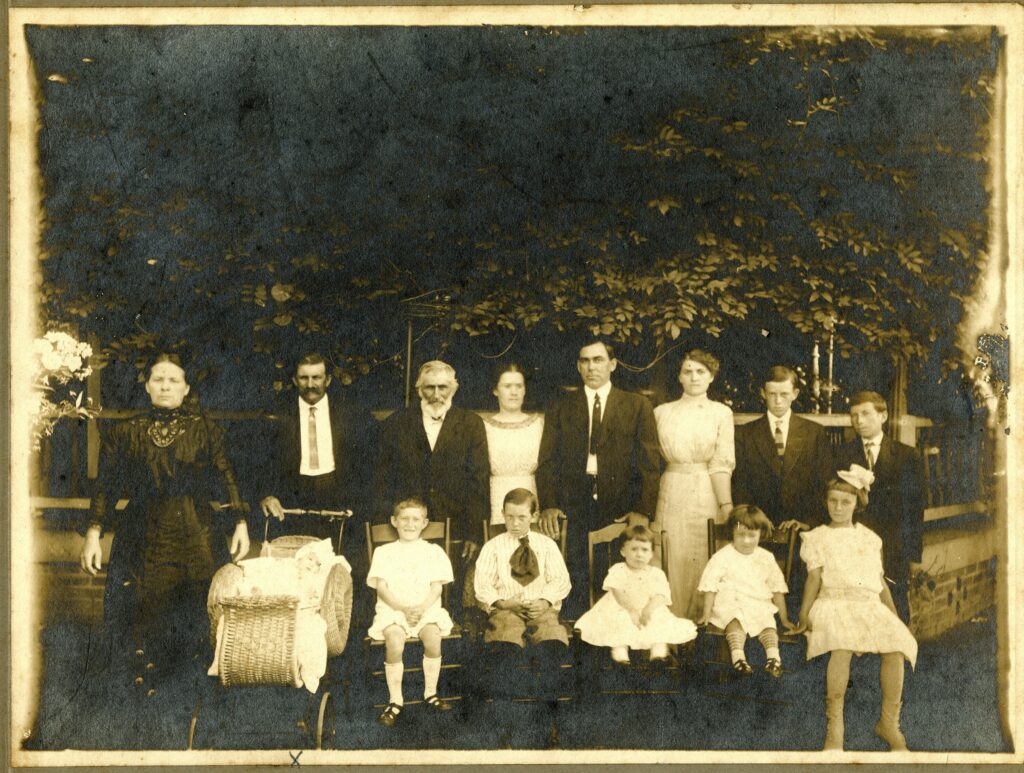
Long before Bernice arrived in North Carolina, the Melchor family had established itself in the community that would become Mooresville. John V. Melchor was among the original signers of the town’s charter on March 3, 1873, and served on its early Town Board. The family was involved in local business and industry, helping shape the developing town during a period when agriculture, milling, and the railroad were central to everyday life.
The historic Melchor House became the family’s longtime residence, although its precise construction date remains uncertain. Bernice recalled a family tradition that placed its beginnings in the mid-1800s and spoke of an even earlier house on the property. Historical research shared by Andy Poore has raised questions about those dates and suggests that an older residence may once have stood elsewhere on the land. While the home’s exact age has yet to be established, its connection to the Melchor family and Mooresville’s early history is unmistakable.
Across the street once stood the Big Oak flour mill, associated with John V. Melchor and Watson Whorton Melchor. Farmers traveled into town with wagons loaded with wheat, tying their horses near a large oak tree while waiting for their grain to be ground. Some brought vegetables to sell, and family stories recalled that a few occasionally arrived with homemade liquor as well. The mill was more than a business. It was a gathering place where farmers exchanged news, conducted trade, and contributed to the rhythm of life in a small Southern town.
The family also maintained an unusual water system. According to historical research, a windmill pumped water from a creek behind the house into a storage tank that supplied both the mill and the residence. Family tradition identifies the Melchor House as one of Mooresville’s earliest homes to have running water, a remarkable convenience at a time when many households still depended on wells and carried water by hand.
The mill also provided something that families found almost as useful as the flour itself. Flour was packaged in cotton bags, and Bernice recalled that the Melchors made needles used to sew those bags closed. Rather than discard the empty sacks, families turned the material into clothing, sheets, and other household necessities. Years later, Bernice discovered old cotton bags and quilt pieces carefully saved by members of the family, small reminders of a time when practicality and thrift were simply part of everyday living.
The Melchor House itself was often filled with people beyond the immediate family. For years, it operated as a boarding house, providing rooms and meals for travelers and those who came to Mooresville seeking employment. Some boarders stayed briefly, while others became familiar members of the community. Bernice remembered Jim and Liza Goode among those connected to the household. Jim worked for the gas company, while Liza became a teacher and high school librarian. Bernice also recalled that a relative of Red’s mother once taught children in an upstairs room of the house, adding education to the building’s many roles over the years.
Even the home’s slate roof carried a story. Bernice remembered a large shipment of slate arriving in Mooresville by rail for several prominent homes, including the Melchor residence. Family history also connected the roofing work with First Presbyterian Church. Years later, when another historic house was demolished, Bernice learned that its slate was being discarded. After receiving permission, she made three trips in the family car to salvage as much as she could carry, remembering that some of it remained stored on the Melchor property long afterward.
Bernice’s own story began in Ontario, Canada, where she was born in September 1916, the third oldest of 15 children. Growing up in such a large family meant learning responsibility early, and Bernice’s childhood was filled with gardening, cooking, sewing, and helping care for younger siblings. Her parents believed in hard work and making use of whatever was available. Her mother made soap from saved cooking grease and lye produced from wood ashes, while the children helped tend the family’s garden and complete the many chores necessary to maintain a large household.
There was plenty of adventure, too. Bernice remembered swimming in the Rideau Canal during warm weather and skating when the water froze. Canadian winters brought deep snow that sometimes required her father to clear a path so the children could reach school. One of her favorite childhood memories involved a sleigh ride with her brother that ended with the sleigh overturning in a snowbank. The children were less concerned about the accident than the licorice they had purchased along the way. They managed to recover their candy, and Bernice could still laugh about the experience many decades later.
At 19, Bernice began working for the McDonald family in Kingston, Canada, assisting with household duties because Mrs. McDonald was in poor health. She remained with the family for approximately 11 years and accompanied them when they began spending winters in Florida. During World War II, she traveled to Daytona Beach to arrange accommodations, a task made difficult by the shortage of available rooms. After an exhausting search, she encountered an elderly couple who eventually found a place for her to stay. Neither Bernice nor her new landlady could have known how important that small act of kindness would become.
In February 1944, a young man from Mooresville arrived in Florida on vacation with an acquaintance from Ohio. His name was Red Melchor, and the man traveling with him happened to be related to Bernice’s landlady. Convinced that the two should meet, the landlady arranged an introduction and assured Bernice that Red was a good man who had spent years helping care for his family.
The introduction changed both their lives. As Bernice recalled in her 2006 interview, “Well, top it all off, it was love at first sight.”
The couple married in Canada in 1945, in a church Bernice said her great-grandfather had helped establish. After a honeymoon that included travel along the St. Lawrence River and a stop in Montreal, where Bernice began the immigration process necessary to settle in the United States, the newlyweds returned to Mooresville. Bernice moved into the historic Melchor House, joining a household that already included members of Red’s family.
For some newlyweds, sharing a home with several relatives might have seemed daunting. Bernice remembered it as one of the happiest arrangements imaginable. Red’s sisters, Myrtle and Julia, lived in the house, and Bernice recalled that the family shared the home for decades without serious disagreements. She believed that people could get along if they made the effort, and the Melchor household appeared to prove her point. As Bernice and Red’s own family grew, portions of the porch were enclosed to create additional living space, allowing the house to accommodate another generation.
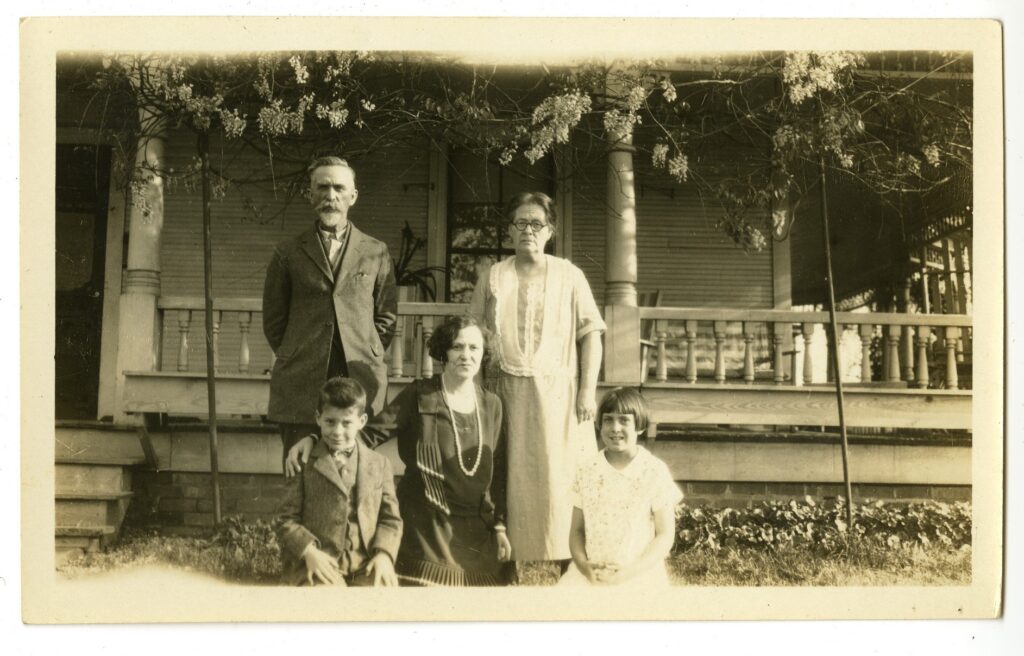
When Bernice arrived in Mooresville in 1945, the town was considerably different from the one residents know today. North Main Street was lined with homes, churches, and neighborhood businesses, while the railroad depot remained one of downtown’s busiest places. The First National Bank stood across from the depot, and D. E. Turner Hardware was already a familiar business. Trains carried passengers between Mooresville and nearby communities, and many residents still remembered a time when automobiles were far less common.
Not every street was paved. Institute Street, beside the Melchor House, was still gravel, something Bernice discovered firsthand during her first Christmas in town. She recalled getting her car stuck and needing a tow truck to pull it free, a memorable introduction to her new surroundings.
She also remembered the businesses that once stood across from the house, including the flour mill, furniture-related businesses, and a cotton gin that was destroyed by fire in 1949. Churches, schools, houses, and shops that were once familiar landmarks gradually disappeared or changed as the town expanded. Bernice recalled the old Institute building, which gave Institute Street its name, and the days when downtown was as much a residential neighborhood as a commercial center.
One of her most vivid memories came during the winter of 1948, when heavy snow blanketed Mooresville around the time her first child was due. Snow piled around the Melchor House, making travel difficult and forcing Red to clear a path from the doorway. Neighbors helped as Bernice went into labor, while the family struggled to get transportation through the snow. Their daughter Evelyn was born that February, and the extraordinary weather became part of the family’s story. Their second daughter, Ruth, later joined the household.
Life in the old house was busy, but Bernice was never content to spend her days doing only what was expected of her. She had grown up learning how to make things, repair things, and find opportunities where others might see little promise. Those qualities would soon lead to a business venture that began with a handful of fish.
The beginnings of Bernice’s pet shop were humble. She purchased a used aquarium at a yard sale on Institute Street, cleaned it up, and began raising fish. When the fish became ill, she visited Joe Crooks, who operated a local hobby shop, hoping to find medicine. Joe encouraged her to open a pet shop of her own, eventually persuading her to purchase his aquarium supplies.
Bernice brought the inventory home in the trunk of the car, much to Red’s surprise. She remembered that he thought she had lost her mind, but she had already decided to give the idea a try. With two aquariums, seven guppies, and a bunch of aquatic plants, she began what became Bunn’s Aquarium, named for the nickname Red had given her.
At first, Red made a little room for her supplies among the tools associated with his own business. But Bernice’s venture quickly grew, attracting customers from Mooresville and surrounding communities. As the inventory expanded, she needed more and more space, gradually pushing Red’s tools aside until additional room became necessary. The business eventually became known as Seashell Pet Shop, and Bernice proudly recalled that their daughter Ruth continued operating it.
Red was an entrepreneur himself. After working in the service station business, he traveled throughout the country selling automotive tools to garages, service stations, and other businesses. Bernice frequently accompanied him, and the couple spent long periods on the road with a large Dodge automobile loaded with merchandise. Their travels brought plenty of unexpected experiences, including one occasion when Red asked Bernice to inquire about a room at a building they passed. She walked toward the entrance before realizing that it was a funeral home, a mistake that still amused her years later.
Red eventually established a wholesale tool operation in Mooresville and expanded the family’s commercial buildings. Bernice also remembered that he developed a grease adapter and later sold the invention to the Alemite company. Their daughter Evelyn and her husband, Charlie Weatherman, became involved in the family’s tool and hardware business, continuing the entrepreneurial tradition.
Travel remained one of Bernice and Red’s greatest pleasures. They purchased a travel trailer in the 1940s, allowing them to bring their children along on trips. Those early trailers lacked many modern conveniences, requiring the family to find public bathrooms and laundry facilities along the way. In 1961, the couple purchased a small Airstream trailer called a Bambi, later trading for larger models as their needs changed.
Through the Airstream Club, the Melchors made friends across the country and encouraged other Mooresville couples to join them. Their travels took them throughout the United States and into Canada, including memorable adventures in Alaska. Bernice recalled rough roads, difficult weather, and an earthquake that damaged roads and delayed one of their journeys. The couple continued traveling for decades, with Bernice remembering their final trailer trip in 1997.
When Bernice wasn’t traveling or helping with a business, she could usually be found creating something. She loved dolls and spent decades operating what she called a doll hospital, repairing cherished toys that had been damaged through years of play. People brought her dolls in all kinds of conditions, sometimes packed in shoeboxes with missing limbs or broken bodies. Bernice restored them, understanding that each one carried special memories for its owner.
Quilting became another important part of her life. She developed a particular talent for cathedral window quilts, an intricate traditional style requiring patience and careful handwork. Through the Airstream Club, she taught quilting and other crafts across the country, recalling that she had taught in every state except Hawaii. For approximately 20 years, she helped organize craft activities at gatherings attended by travelers from many different places. She was especially pleased when she visited the Mooresville library and discovered that one of her quilts was on display.
Her creativity extended outdoors as well. Bernice loved gardening and remembered a pomegranate tree that had been growing beside the Melchor House when she first arrived. Even after freezing back to the ground during a particularly cold winter, it survived. She also grew loofah sponge gourds and birdhouse gourds, sometimes training their vines to climb into trees. One year, she counted 29 loofah sponges and 15 birdhouse gourds hanging among the branches of a pear tree, an unusual sight that prompted curious passersby to stop and ask questions.
Bernice also made jams, jellies, pickles, and relish, frequently sharing them with friends and neighbors. She believed that something made by hand could be more meaningful than a purchased gift, and much of her life seemed guided by that belief. Whether repairing a doll, teaching someone to quilt, growing something unusual, or sharing food from her kitchen, Bernice found satisfaction in staying busy and doing something useful for others.
Her connection to Mooresville’s history was recognized during the town’s centennial celebration in 1973, when she portrayed an earlier Mrs. Melchor as part of the festivities. Bernice remembered family stories about a Melchor woman who offered food to people associated with the railroad, another reminder of the family’s longstanding place in the community.
As the years passed, the Mooresville Bernice had known in 1945 gradually changed. The flour mill disappeared, the cotton gin was gone, and many of the houses and businesses that once lined North Main Street were replaced or transformed. Yet the Melchor House remained a familiar reminder of an earlier time, and Bernice continued to carry the memories of the people and places that had shaped her life.
According to historical research shared by Andy Poore, Bernice was the last member of the Melchor family to live in the historic home. Red had been born there, spent his life there, and died there. He was buried with other members of the family at Willow Valley Cemetery. For generations, the house had been the center of family life, welcoming children, relatives, travelers, boarders, and neighbors through its doors.
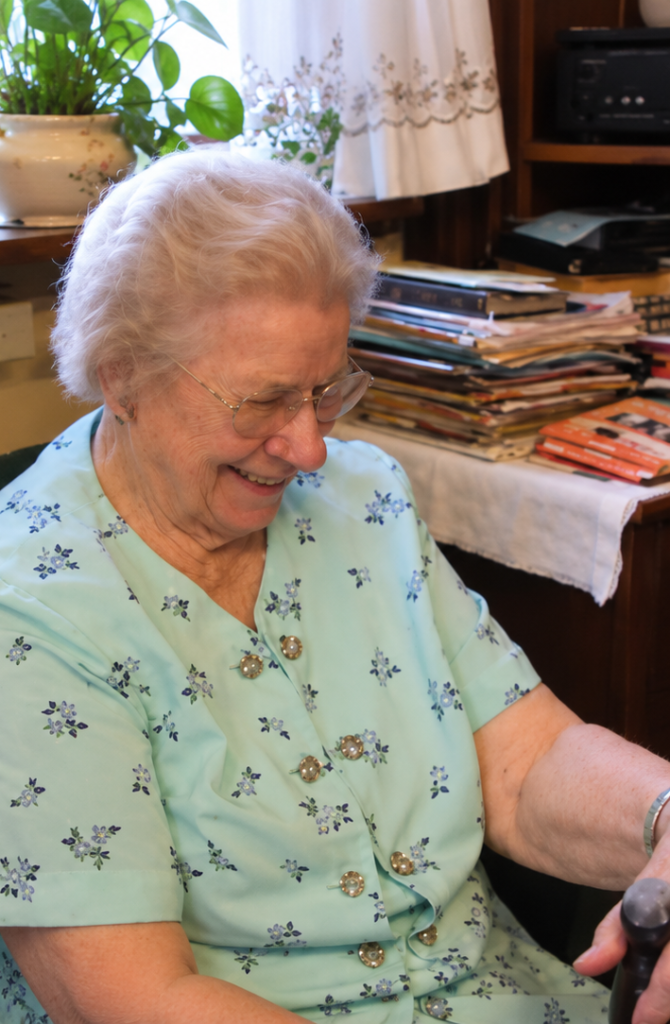
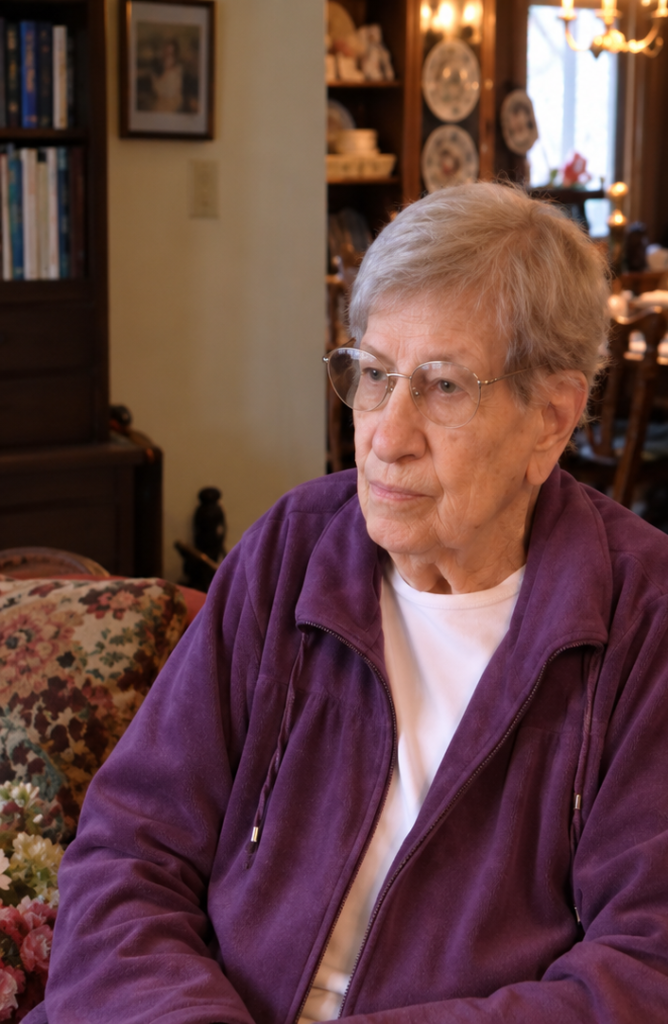
By the time Andy Poore interviewed Bernice in January 2012, she was 95 years old. Although she was using a wheelchair, she continued sharing memories with humor and remarkable detail. She recalled her Canadian childhood, meeting Red in Florida, raising her daughters, building businesses, and traveling across the country. Just as importantly, she remembered the ordinary moments that made life meaningful: a sleigh overturned in the snow, a family gathered around a table, an aquarium full of guppies, and a garden filled with unusual plants.
During her earlier interview, Bernice reflected on the community she had called home for so many years. “This is a nice little town to live in,” she said. Then she offered a piece of advice that seemed to capture the philosophy behind her long and active life.
“But you need to stay busy. That’s the key to living, I think, is staying busy and doing for the other fellow.”
Today, the historic Melchor House at North Main and Institute Streets remains a reminder of the generations who helped shape Mooresville. Its history is connected to the town’s incorporation, early industry, family businesses, and the people who passed through its doors. But perhaps its most enduring story is that of a woman who came from Canada, fell in love with a young man from Mooresville, and spent the rest of her life making memories in a house already rich with them.
Thanks to Bernice’s recorded interviews, those memories have not been lost. They offer something that even the oldest photograph cannot fully capture: the personality, laughter, and everyday experiences of someone who witnessed decades of change.
And the next time we pass the old Melchor House, perhaps we’ll see more than a historic building. We’ll remember the families who lived there, the travelers who found a place to stay, the children who learned upstairs, and a woman named Bernice who believed that a good life was one spent staying busy, helping others, and enjoying the journey.
Historical Sources and Acknowledgements
This feature was developed from two oral history interviews with Bernice Melchor preserved through Mooresville Public Library, along with historical research shared by Andy Poore.
January 24, 2006: Interview conducted by Ann Brown at Bernice Melchor’s home, with Al Culp and Linda Ray serving as assistant interviewers.
January 20, 2012: Interview conducted by Andy Poore at the home of Bernice Melchor’s daughter, through Mooresville Public Library Special Collections.
Additional historical information concerning John V. Melchor, the Big Oak flour mill, and the Melchor family home was provided through research shared by Andy Poore.


