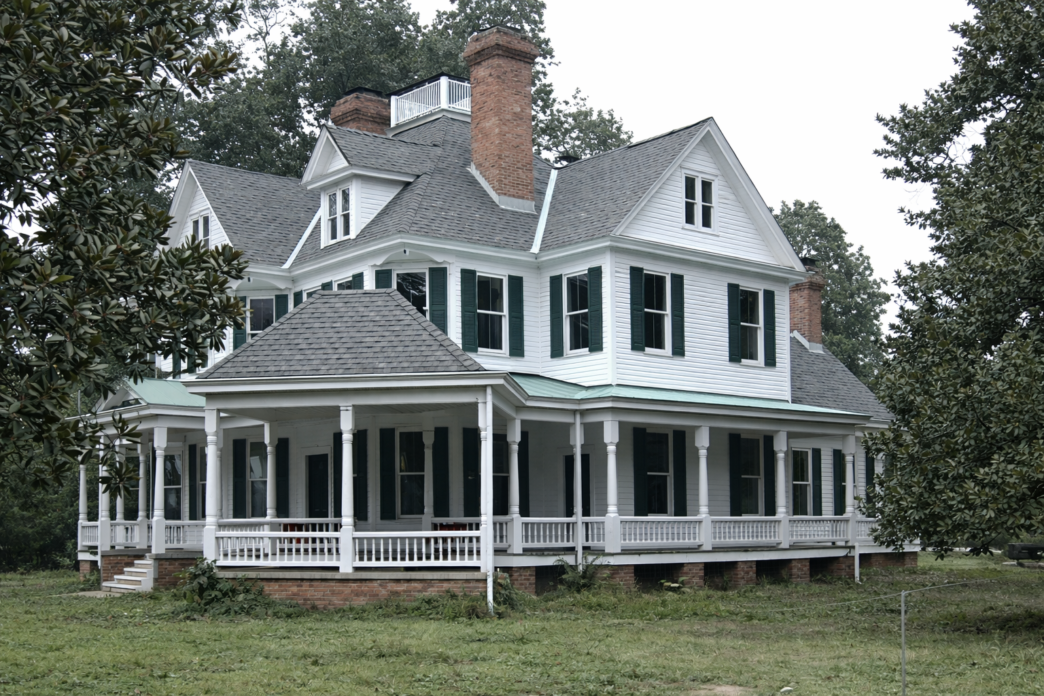
Standing on approximately 22 acres in Mooresville, the Espy Watts Brawley House is one of the town’s most significant historic residences and is recognized as the most fully realized example of Queen Anne residential architecture in Mooresville. Built in 1904, the home reflects both exceptional architectural craftsmanship and the period of rapid economic and industrial growth that transformed Mooresville in the early 20th century.
Constructed during a time when Mooresville was expanding through agriculture, textile manufacturing, and rail-based commerce, the house represents the scale and ambition made possible by these forces. Rail transportation not only supported industrial growth but also allowed building materials, architectural plans, and decorative millwork to be shipped directly to growing towns like Mooresville, making large, high-style homes attainable outside major cities.
The house was built for Espy Watts Brawley (1867–1934), a prominent local businessman whose influence spanned cotton farming, cottonseed oil manufacturing, banking, textile production, and milling. After inheriting land from his father, Brawley became one of Mooresville’s leading industrial figures, helping shape the town’s economy during the height of Piedmont textile expansion.
The residence occupies a prominent, tree-shaded site near the former Dixie Cotton Mill, established in 1906 by Brawley and other investors. This close proximity underscores the historic relationship between Mooresville’s industrial leadership and the impressive residential architecture constructed by its most influential citizens.
Originally known as Lawndale, the home is reported in local historical accounts to have possibly been ordered through a Sears, Roebuck & Company catalog, a common practice in the early 1900s when architectural plans and pre-cut materials could be delivered by rail and assembled on site. Once completed, the Brawley family developed the surrounding land into a private estate that served as both a family residence and a reflection of their social and economic standing within the community.
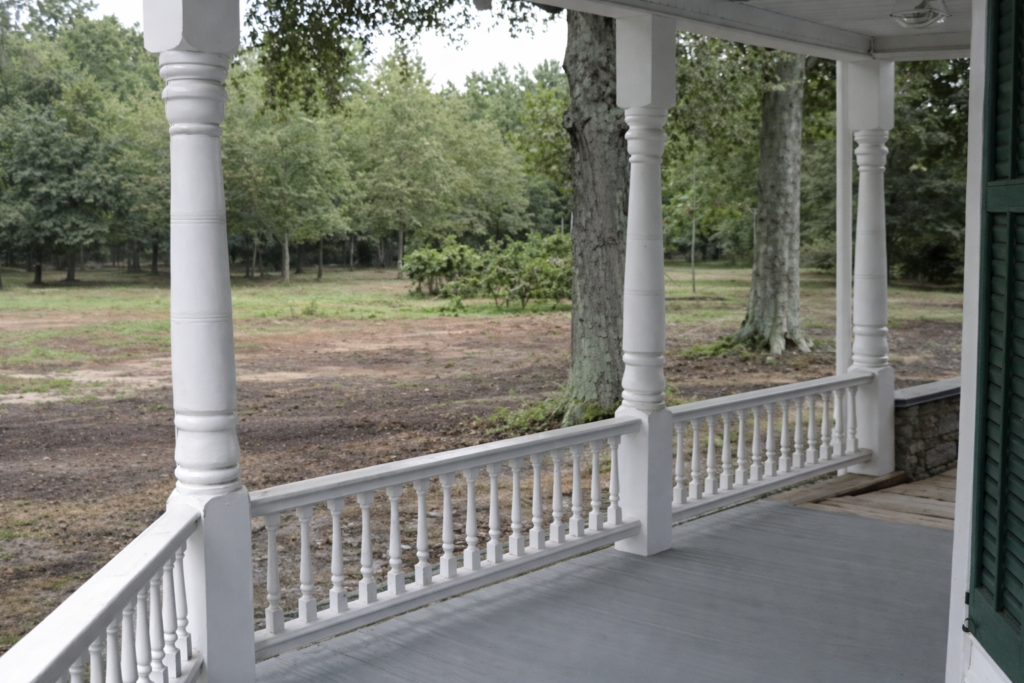
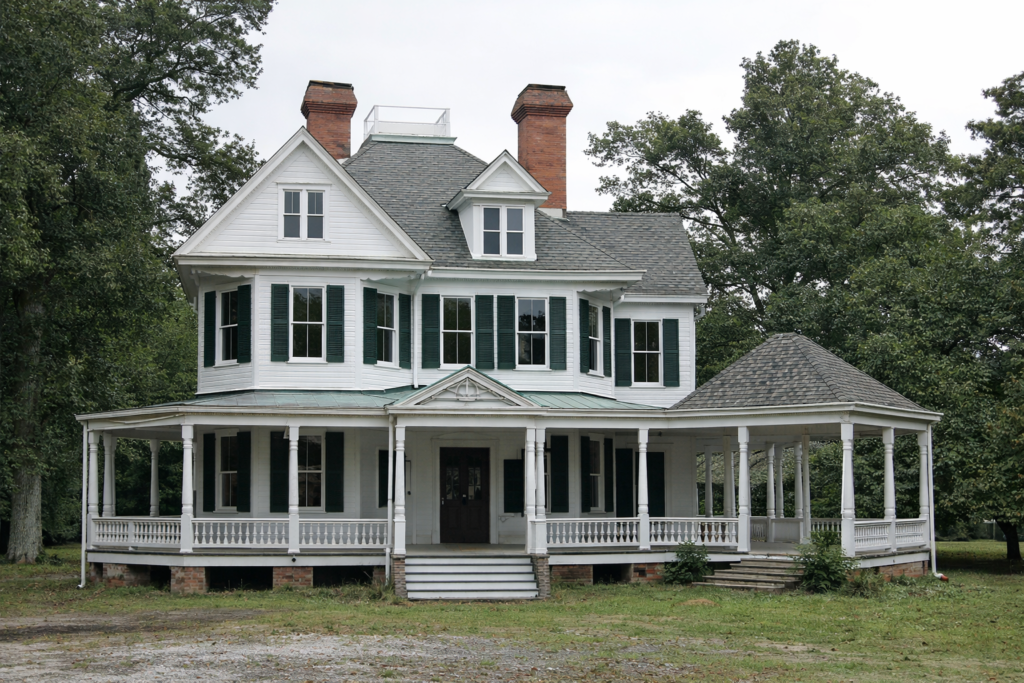
Architecturally, the 2½-story frame residence is distinguished by its complex massing, high hipped roof with intersecting gables, and expansive wraparound porch with a porte-cochère. Additional features include a two-story side wing with a three-sided bay and finely crafted details such as lathe-turned porch posts, spindlework, and an intricately detailed front entrance. These elements collectively establish the house as the architectural benchmark for Queen Anne design in Mooresville.
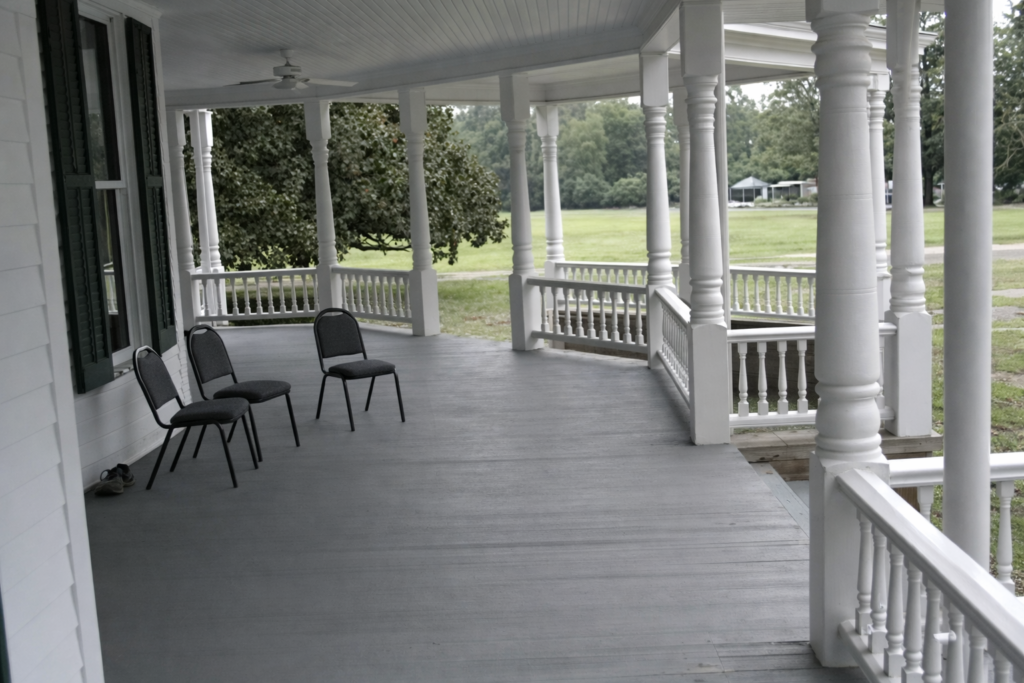
Two historic outbuildings on the property further contribute to its architectural and historical significance. The estate was home to Espy Watts Brawley, his wife Katie Elizabeth Patterson, and their five children. In addition to serving as a family residence, the house was associated with the social and business life of Mooresville’s industrial leadership during the early 20th century.
In 1928, Brawley led a group of local businessmen in incorporating the Mooresville Flour Mill Company, expanding the town’s industrial base beyond textiles. The mill remains in operation today, providing a rare and tangible link between Mooresville’s early industrial economy and the present.
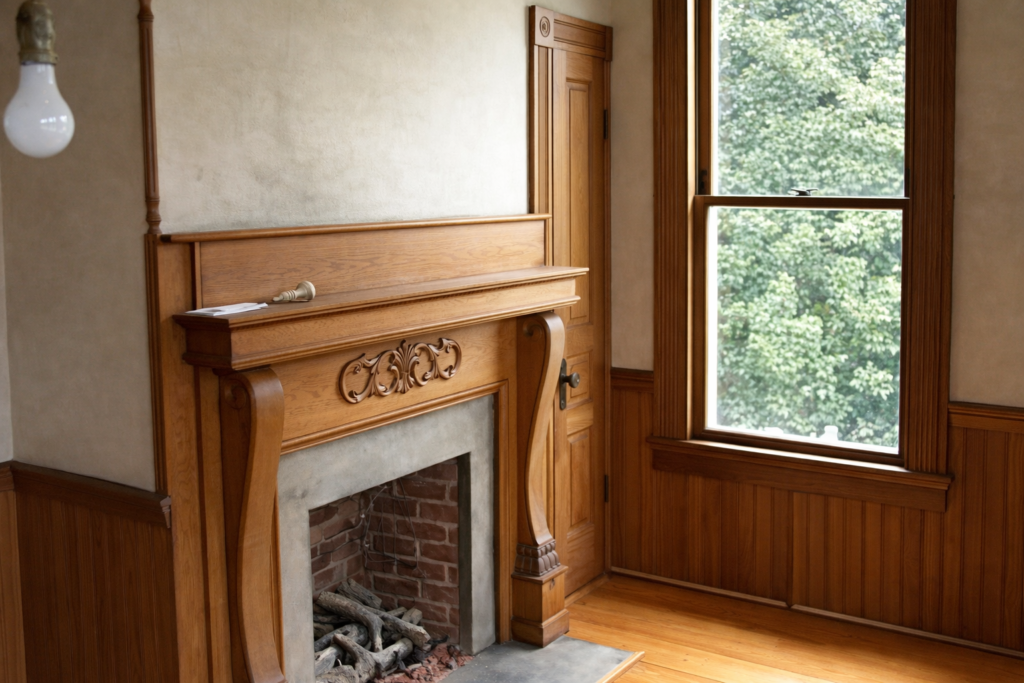
Following Brawley’s death in 1934, the property experienced periods of reduced maintenance over the decades. Its architectural and historical importance was formally recognized in 1980 when it was listed on the National Register of Historic Places, helping ensure its preservation for future generations. Documentation related to the home and the Brawley family, including photographs and business records, is preserved through the Mooresville Public Library Local History and Archives.
Around the turn of the 21st century, new private owners undertook a careful restoration of the property with attention to preserving its historic character. A pavilion was later added to the grounds, allowing the estate to once again function as a place for gatherings.
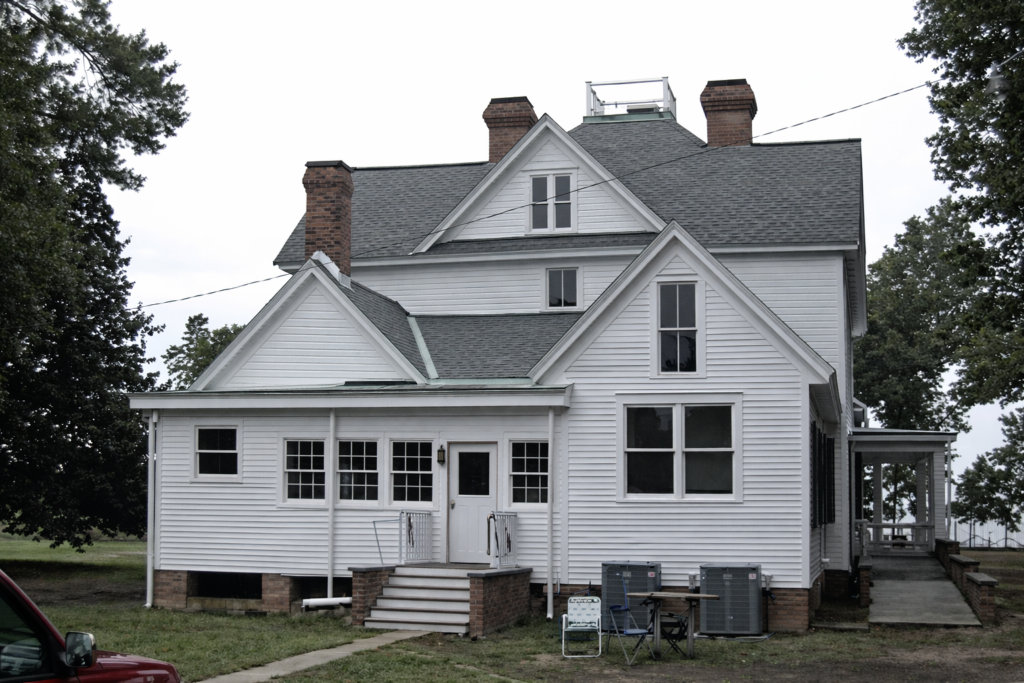
Today, known as The Brawley Estate, the property hosts weddings, corporate events, and private celebrations. Through its adaptive reuse, the Espy Watts Brawley House continues to serve the community while preserving the architectural legacy of one of Mooresville’s most influential early citizens.
More than a century after its construction, the Espy Watts Brawley House stands as a defining landmark of Mooresville’s industrial era, linking the town’s architectural heritage, economic history, and continued community life.